

Cardiac Arrhythmia Monitoring Devices Market Report
First published: 12 October 2024 | Last updated: 25 May 2026 | Report Code: cardiac-arrhythmia-monitoring-devices
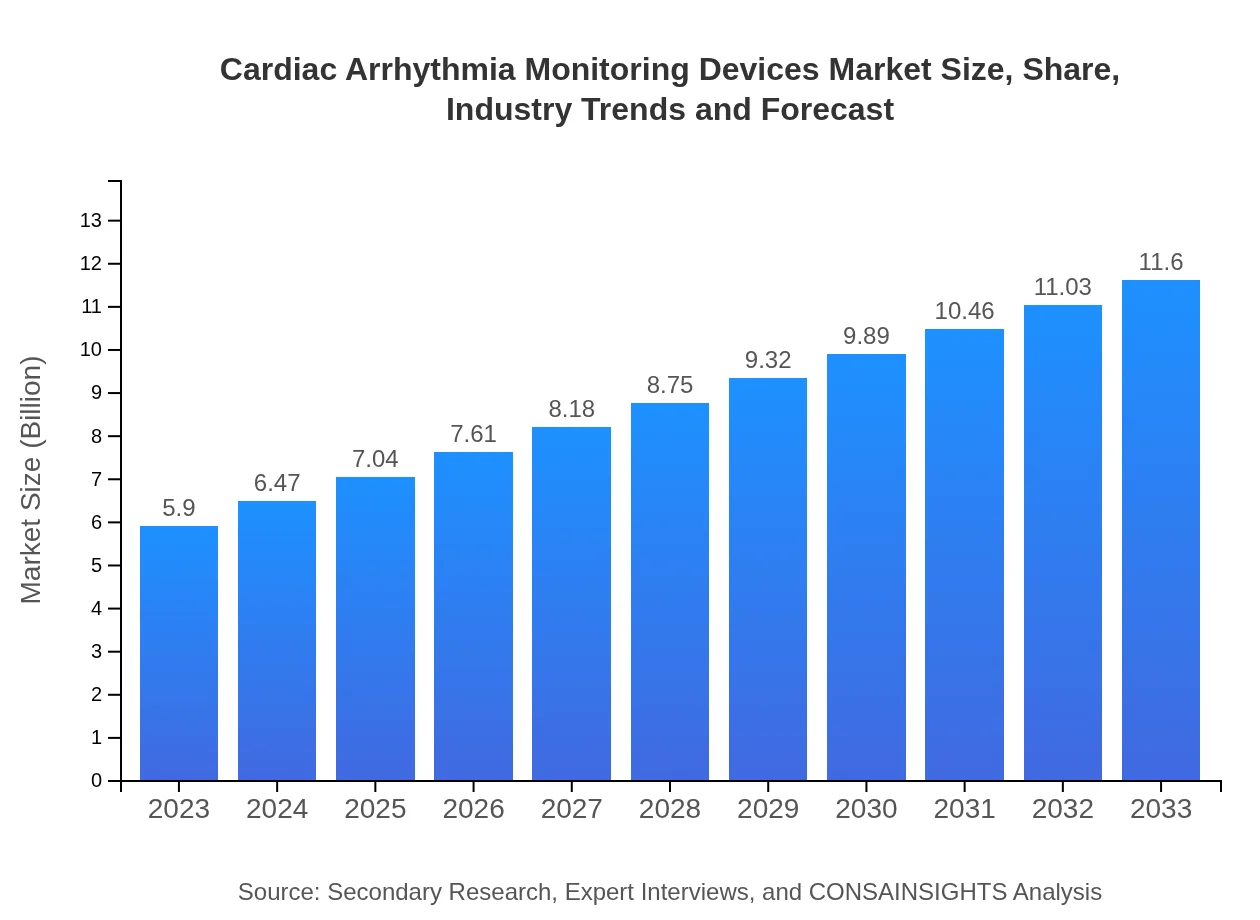
Cardiac Arrhythmia Monitoring Devices Market — USD 5.9 billion in 2023, Growing to USD 11.60B by 2033 at 6.8% CAGR
This report provides a detailed analysis of the Cardiac Arrhythmia Monitoring Devices market, focusing on trends, growth projections, and emerging technologies from 2023 to 2033. Insights include market size, segment examination, and regional dynamics impacting future growth.
Key Takeaways
- Global market grows from $5.90 Billion in 2023 to $11.60 Billion in 2033, reflecting a 6.8% CAGR over 2023 to 2033.
- North America is largest regional market, while no single fastest-growing region is stated because regional CAGR differences remain within 0.15 percentage points.
- North America is the largest region, increasing from $2.1 Billion in 2023 to $4.12 Billion in 2033.
- Europe expands from $1.75 Billion in 2023 to $3.44 Billion in 2033, while Asia Pacific rises from $1.14 Billion to $2.25 Billion over the decade.
- Product and distribution segments include implanted, external, and wearable devices; direct and online sales channels are noted.
- Leading vendors include Medtronic, Abbott Laboratories, Philips, Boston Scientific, and iRhythm Technologies.
Cardiac Arrhythmia Monitoring Devices Market Report — Executive Summary
North America remains largest market by forecast-period value, while no single fastest-growing region is stated because top regional growth rates are separated by less than 0.15 percentage points. The Cardiac Arrhythmia Monitoring Devices market is set for steady expansion driven by demographic shifts and technological innovation. Rising prevalence of cardiovascular disorders and an aging population underpin demand for diagnostic and continuous monitoring solutions. Advances in ECG monitoring, remote monitoring, and telehealth are enhancing device capabilities and patient convenience. Market structure covers device types — implanted, external, and wearable — alongside technology, end-user, and distribution splits. Hospitals and home care settings are key end-users, with sales through direct and online channels. Competitive dynamics feature established medical device firms such as Medtronic, Abbott Laboratories, Philips, Boston Scientific, and iRhythm Technologies investing in product enhancements and partnerships. Regulatory and reimbursement landscapes will remain important determinants of adoption and commercialization over the 2023 to 2033 forecast period.
Key Growth Drivers
- Increasing prevalence of arrhythmias and cardiovascular disease driving demand for continuous monitoring.
- Aging populations requiring long-term cardiac management and diagnostic services.
- Adoption of remote monitoring and telehealth solutions improving outpatient care and reducing hospital visits.
- R&D investment from major device manufacturers enhancing device accuracy and usability.
- Expansion of distribution channels, including online sales, broadening patient access to monitoring devices.
| Metric | Value |
|---|---|
| Study Period | 2023 - 2033 |
| 2023 Market Size | $5.90 Billion |
| CAGR (2023-2033) | 6.8% |
| 2033 Market Size | $11.60 Billion |
| Top Companies | Medtronic , Abbott Laboratories, Philips, Boston Scientific, iRhythm Technologies |
| Published Date | 12 October 2024 |
| Last Modified Date | 25 May 2026 |
Cardiac Arrhythmia Monitoring Devices Market Overview
Customize Cardiac Arrhythmia Monitoring Devices Market Report market research report
- ✔ Get in-depth analysis of Cardiac Arrhythmia Monitoring Devices market size, growth, and forecasts.
- ✔ Understand Cardiac Arrhythmia Monitoring Devices's regional dynamics and industry-specific trends.
- ✔ Identify potential applications, end-user demand, and growth segments in Cardiac Arrhythmia Monitoring Devices
What is the Market Size & CAGR of Cardiac Arrhythmia Monitoring Devices Market Report market in 2023?
Cardiac Arrhythmia Monitoring Devices Industry Analysis
Cardiac Arrhythmia Monitoring Devices Market Segmentation and Scope
Tell us your focus area and get a customized research report.
Cardiac Arrhythmia Monitoring Devices Market Report Market Analysis Report by Region
Europe Cardiac Arrhythmia Monitoring Devices Market Report:
Europe grows from $1.75 Billion in 2023 to $3.44 Billion in 2033. Regional growth is supported by aging demographics, public health initiatives for cardiovascular care, and uptake of remote monitoring and telehealth solutions.Asia Pacific Cardiac Arrhythmia Monitoring Devices Market Report:
Asia Pacific grows from $1.14 Billion in 2023 to $2.25 Billion in 2033. Expansion is driven by rising healthcare spending, larger patient populations with cardiovascular conditions, and growing access to diagnostic and monitoring technologies.North America Cardiac Arrhythmia Monitoring Devices Market Report:
North America is largest regional market, rising from $2.1 Billion in 2023 to $4.12 Billion in 2033. Market expansion here is linked to mature healthcare systems, high adoption of monitoring technologies, and sustained investment by established device makers.South America Cardiac Arrhythmia Monitoring Devices Market Report:
Latin America grows from $0.4 Billion in 2023 to $0.78 Billion in 2033. Market drivers include increasing awareness of cardiac conditions, improving healthcare infrastructure, and broader availability of monitoring devices through diverse channels.Middle East & Africa Cardiac Arrhythmia Monitoring Devices Market Report:
Middle East and Africa grows from $0.51 Billion in 2023 to $1 Billion in 2033. Growth factors include incremental healthcare investments, enhanced diagnostic capabilities, and adoption of remote monitoring approaches in urban centers.Tell us your focus area and get a customized research report.
Research Methodology
Cardiac Arrhythmia Monitoring Devices Market Analysis By Device Type
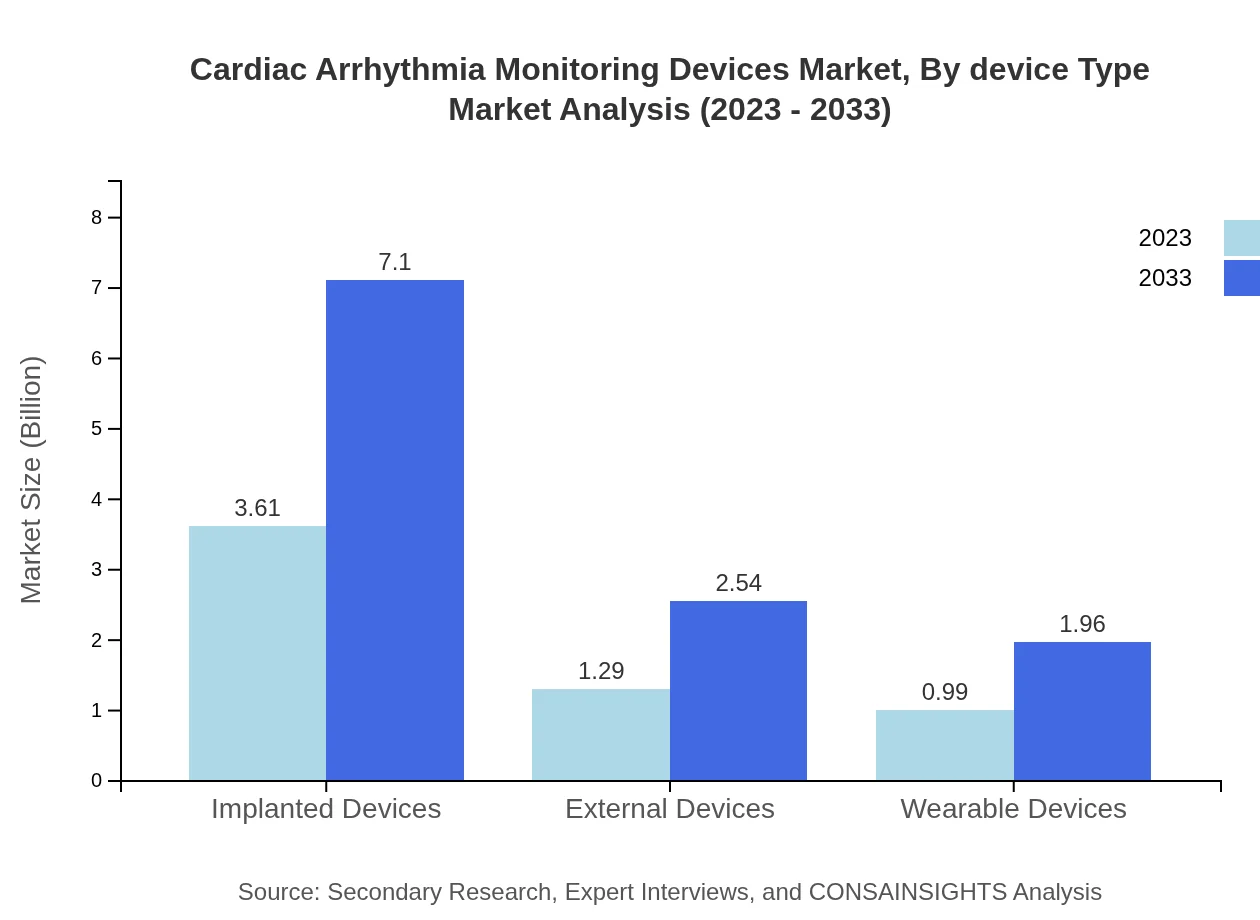
The Cardiac Arrhythmia Monitoring Devices market is primarily segmented by device type, which includes implantable devices, external devices, and wearable devices. Implantable devices dominate the market, accounting for approximately 61.22% of the market share in 2023, with projections to stabilize at this level through 2033. External devices are also significant, with a steady growth rate projected as healthcare moves towards outpatient and home-based care.
Cardiac Arrhythmia Monitoring Devices Market Analysis By Technology
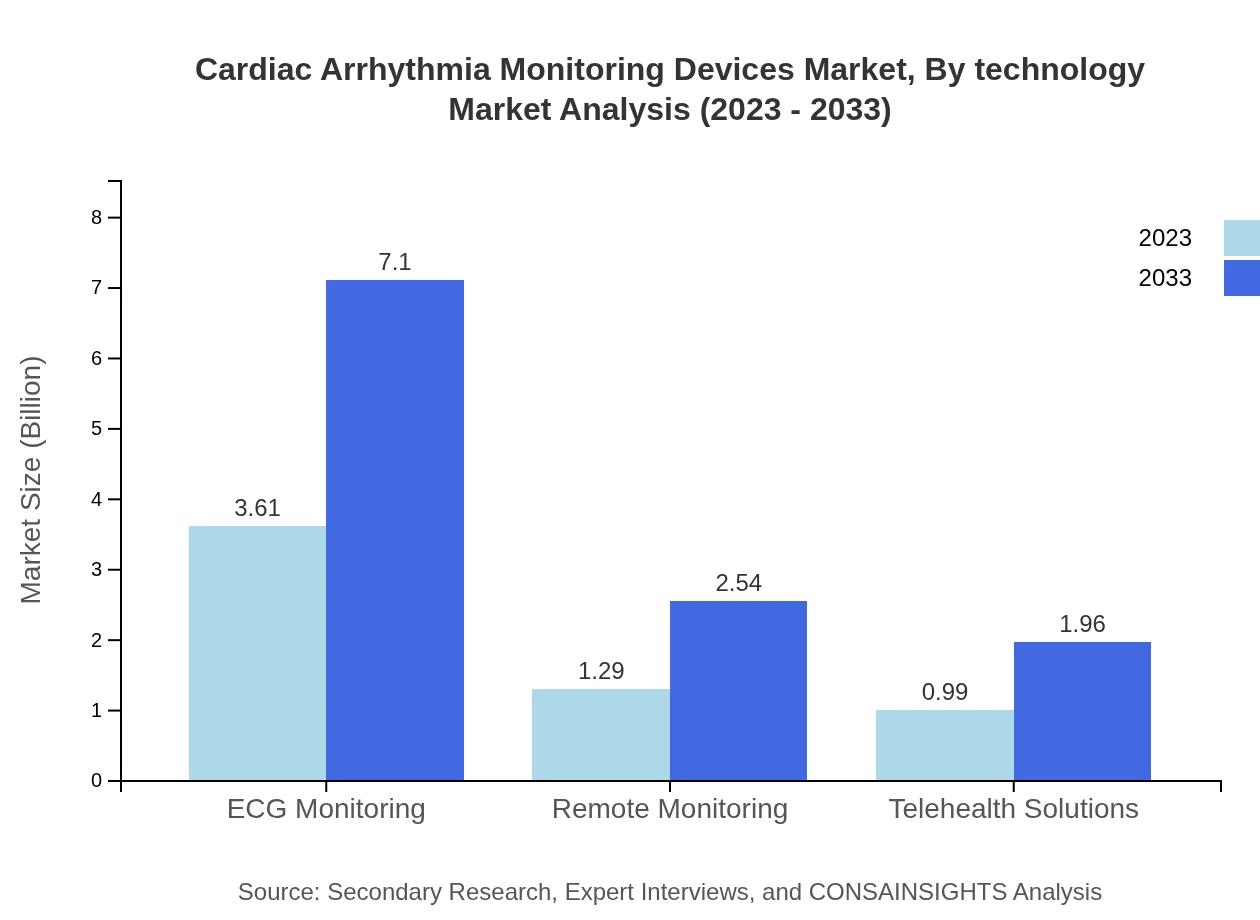
Segments by technology include traditional ECG monitoring systems, telemetry solutions, and digital health devices such as wearables. ECG monitoring remains the most prominent segment with a substantial market share due to its established use in clinical environments. Telemetry and digital innovations are rapidly emerging, showcasing the shift towards continuous monitoring and data-driven healthcare.
Cardiac Arrhythmia Monitoring Devices Market Analysis By End User
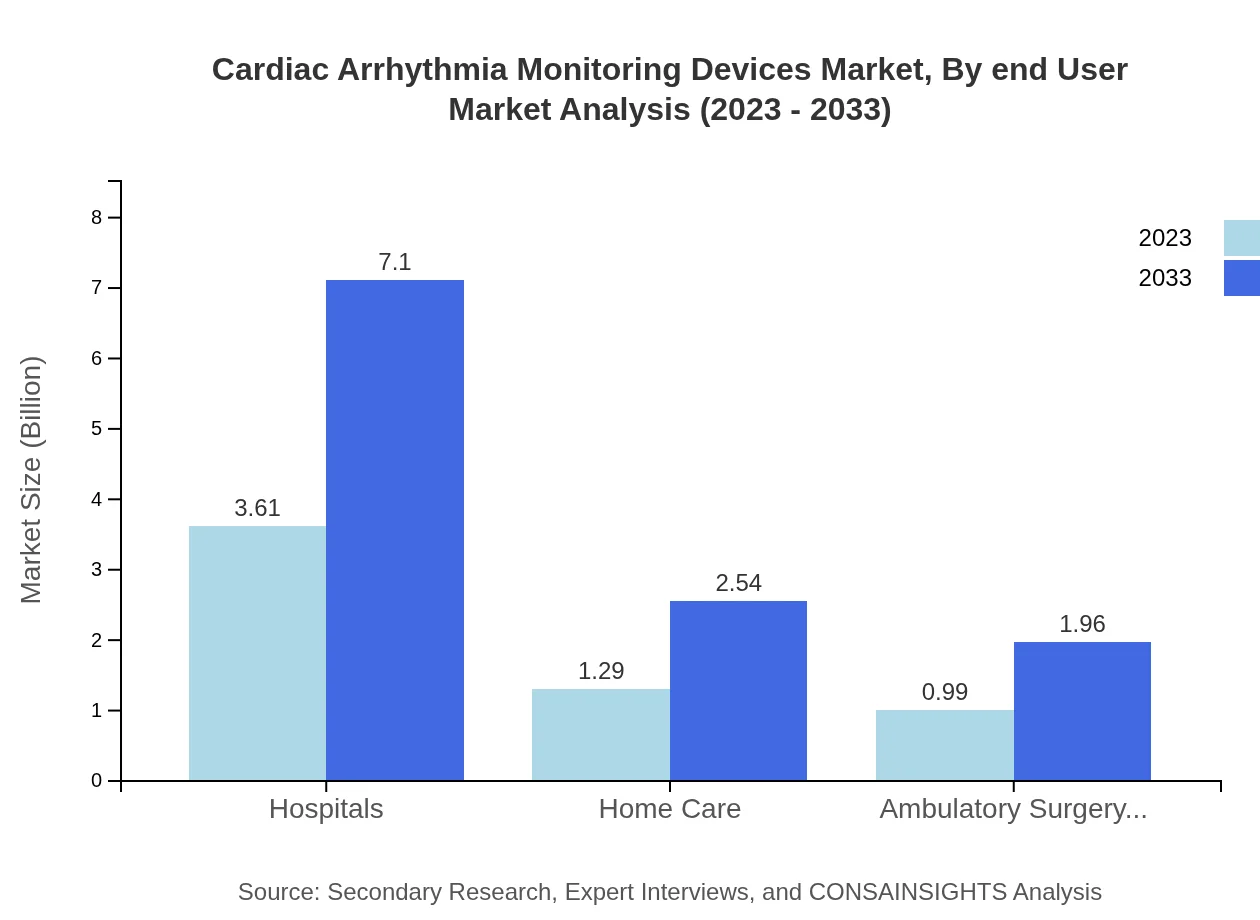
End-user segmentation includes hospitals, home care services, and ambulatory surgery centers. Hospitals represent the largest segment, holding 61.22% market share due to the need for advanced monitoring systems in critical care settings. However, home care services are expected to grow significantly as patient preference shifts toward remote monitoring solutions.
Cardiac Arrhythmia Monitoring Devices Market Analysis By Distribution Channel
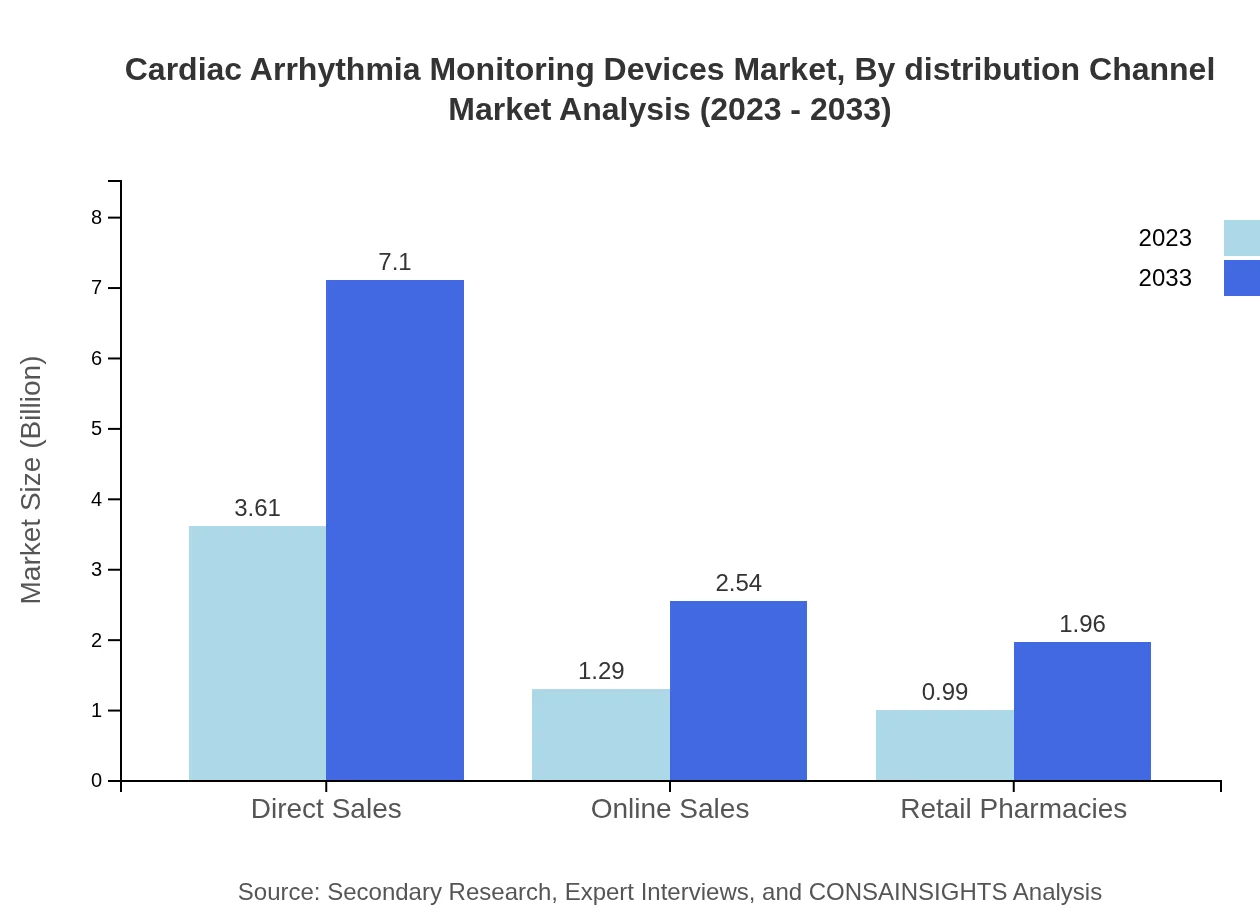
Distribution channels comprise direct sales, online sales, and retail pharmacies. Direct sales through hospitals and large healthcare facilities account for a significant market share, while online sales are gaining traction due to increased convenience and consumer preference for telehealth solutions.
Cardiac Arrhythmia Monitoring Devices Market Analysis By Application
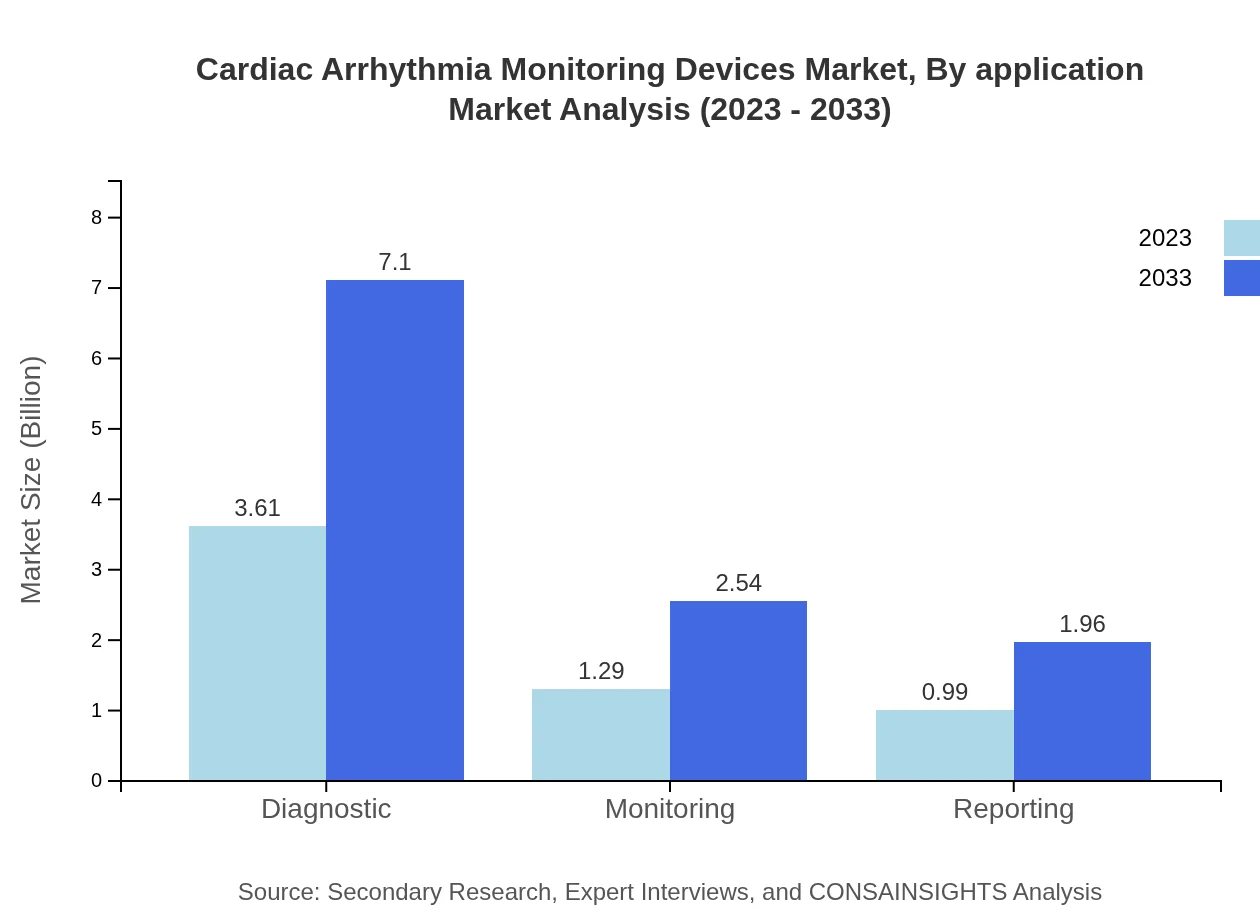
The application segment covers diagnostic, monitoring, reporting, and therapeutic applications. Diagnostic applications dominate the market, reflecting the high demand for accurate detection of arrhythmias. Monitoring solutions are also vital as they promote proactive health management.
Cardiac Arrhythmia Monitoring Devices Market Trends and Future Forecast
Tell us your focus area and get a customized research report.
Global Market Leaders and Top Companies in Cardiac Arrhythmia Monitoring Devices Industry
Medtronic :
A leader in the manufacturing of implantable cardiac devices and monitoring systems, renowned for its innovation and extensive product portfolio.Abbott Laboratories:
Specializes in advanced cardiac rhythm management and diagnostics incorporating next-gen technology for enhanced patient outcomes.Philips:
Focuses on wearable and telehealth solutions, driving advancements in remote patient monitoring and real-time diagnostics.Boston Scientific:
Offers a range of implantable devices and is leading in research on novel cardiac monitoring technologies.iRhythm Technologies:
Known for its cloud-based heart monitoring device, Zio, providing patients with comprehensive arrhythmia management solutions.We're grateful to work with incredible clients.









FAQs
What is the market size of the cardiac arrhythmia monitoring devices market in 2023?
The market size in 2023 is $5.90 Billion, as reported; this represents the baseline for the 2023 to 2033 forecast period.
How big will the market be in 2033?
The market is projected to reach $11.60 Billion in 2033 according to the provided forecast figures.
What is CAGR for the forecast period?
The compound annual growth rate for 2023 to 2033 is 6.8%, based on the supplied market projections.
Is there a single fastest Growing region in the Cardiac Arrhythmia Monitoring Devices Market Report market?
No single fastest-growing region is stated for the Cardiac Arrhythmia Monitoring Devices Market Report market because the top regional implied CAGR values are within 0.15 percentage points of each other, making the ranking too close to call reliably.
Which companies are key players in this landscape?
Top companies listed include Medtronic, Abbott Laboratories, Philips, Boston Scientific, and iRhythm Technologies, reflecting established device manufacturers and specialists.
What are the main device types covered?
Device categories specified are Implanted Devices, External Devices, and Wearable Devices, addressing diverse diagnostic and monitoring needs.
How are devices distributed to end users?
Distribution channels outlined include Direct Sales, Online Sales, and Retail Pharmacies, indicating multiple routes to hospitals and patients.
What applications are included in market segmentation?
Applications detailed in the input are Diagnostic, Monitoring, and Reporting, covering core clinical and follow-up functions for arrhythmia care.
What end Users are identified for these devices?
End-user segments provided are Hospitals, Home Care, and Ambulatory Surgery Centers, reflecting primary care and outpatient settings.
How was the research conducted?
Research combined primary interviews with industry experts and secondary review of company reports and publications, followed by data triangulation and internal validation.