

Neurovascular Access Catheters Market Report
First published: 23 October 2024 | Last updated: 25 May 2026 | Report Code: neurovascular-access-catheters
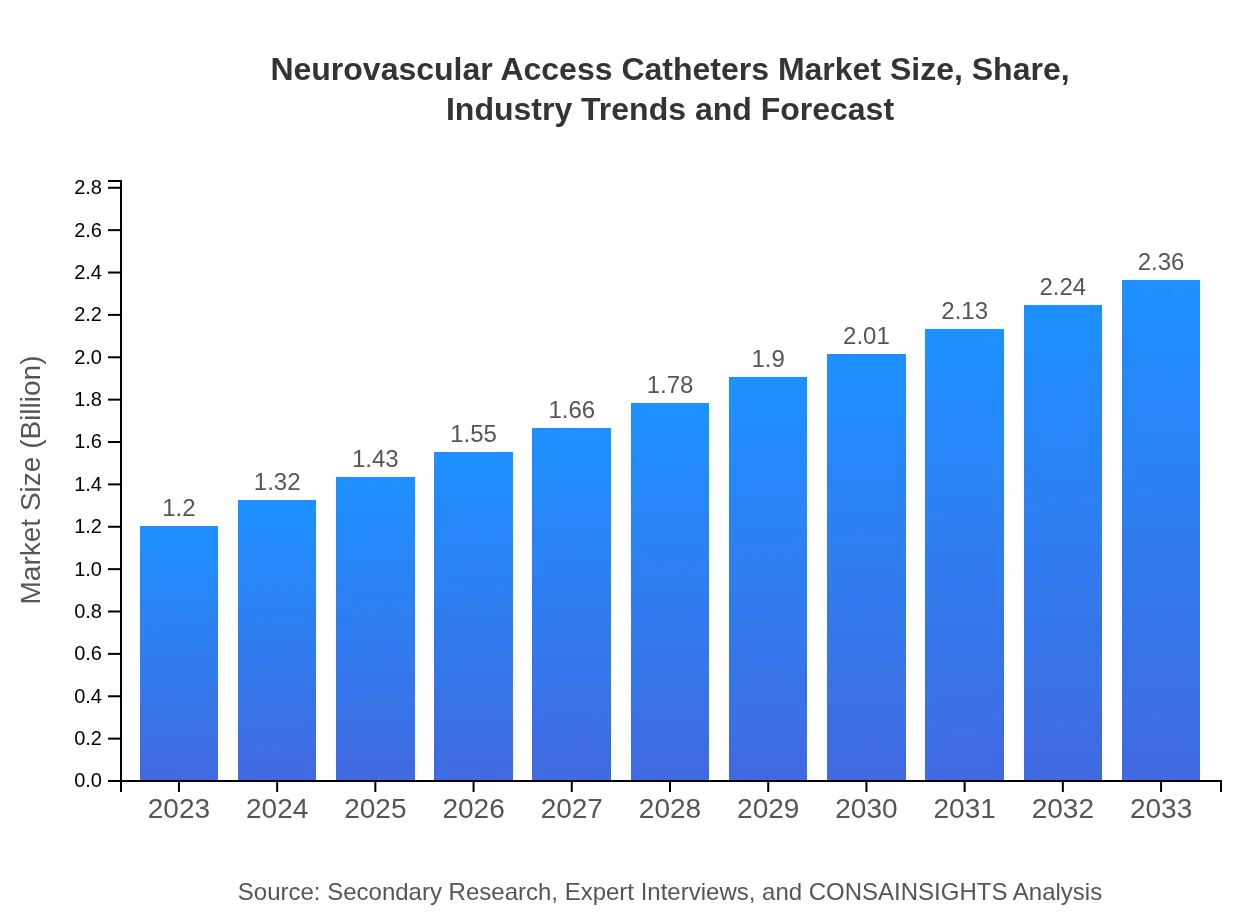
Neurovascular Access Catheters Market — USD 1.2 billion in 2023, Growing to USD 2.36B by 2033 at 6.8% CAGR
This report provides an in-depth analysis of the Neurovascular Access Catheters market, focusing on current trends, market dynamics, forecasts from 2023 to 2033, and a comprehensive breakdown by region and segment.
Key Takeaways
- Global market valued at $1.20 Billion in 2023 and forecast to reach $2.36 Billion by 2033 at a 6.8% CAGR.
- North America is largest regional market, while no single fastest-growing region is stated because regional CAGR differences remain within 0.15 percentage points.
- Europe and Asia Pacific show notable expansion, with Europe rising from $0.35 Billion to $0.68 Billion and Asia Pacific from $0.22 Billion to $0.44 Billion.
- Product innovation, minimally invasive procedure preference, and rising neurovascular incidence underpin market growth.
- Key players include Medtronic, Boston Scientific, Stryker, and Terumo Corporation, focusing on device enhancements and clinical evidence.
Neurovascular Access Catheters Market Report — Executive Summary
North America remains largest market by forecast-period value, while no single fastest-growing region is stated because top regional growth rates are separated by less than 0.15 percentage points. This report outlines trends, market sizing, and segment dynamics for neurovascular access catheters from 2023 to 2033. The market is estimated at $1.20 Billion in 2023 and is projected to reach $2.36 Billion by 2033, representing a 6.8% CAGR. Growth is supported by increasing prevalence of cerebrovascular conditions, rising preference for minimally invasive interventions, and investment in catheter materials and technology. Hospitals remain primary end-users, while polymer and metal alloy materials and advanced catheter technologies continue to shape product development. The competitive landscape features Medtronic, Boston Scientific, Stryker, and Terumo Corporation, which are active in innovation and clinical validation. Regulatory requirements and clinical evidence needs present ongoing challenges for market entrants and incumbents.
Key Growth Drivers
- Rising incidence of neurovascular conditions increases procedural volumes and demand for access devices.
- Greater adoption of minimally invasive interventions drives need for specialized catheter designs and materials.
- Advances in catheter visibility and maneuverability encourage clinical uptake and support broader indications.
- Increased healthcare infrastructure investment, especially in hospitals, enhances access to interventional procedures.
- Manufacturers’ focus on polymer and metal alloy technologies fosters product differentiation and performance improvements.
Neurovascular Access Catheters Market Overview
Customize Neurovascular Access Catheters Market Report market research report
- ✔ Get in-depth analysis of Neurovascular Access Catheters market size, growth, and forecasts.
- ✔ Understand Neurovascular Access Catheters's regional dynamics and industry-specific trends.
- ✔ Identify potential applications, end-user demand, and growth segments in Neurovascular Access Catheters
What is the Market Size & CAGR of Neurovascular Access Catheters Market Report market in 2023?
Neurovascular Access Catheters Industry Analysis
Neurovascular Access Catheters Market Segmentation and Scope
Tell us your focus area and get a customized research report.
Neurovascular Access Catheters Market Report Market Analysis Report by Region
Europe Neurovascular Access Catheters Market Report:
Europe grows from $0.35 Billion in 2023 to $0.68 Billion in 2033. Regional expansion reflects increasing adoption of minimally invasive neurovascular interventions, investments in hospital capabilities, and ongoing product enhancements by device manufacturers.Asia Pacific Neurovascular Access Catheters Market Report:
Asia Pacific grows from $0.22 Billion in 2023 to $0.44 Billion in 2033. Market development is linked to expanding healthcare access, rising incidence of neurovascular conditions, and growing uptake of interventional procedures in hospitals and specialty centers.North America Neurovascular Access Catheters Market Report:
North America is largest regional market, rising from $0.45 Billion in 2023 to $0.89 Billion in 2033. Growth is supported by established healthcare infrastructure, high procedural throughput in hospitals, and strong investment in device development and clinical evidence.South America Neurovascular Access Catheters Market Report:
Latin America grows from $0.08 Billion in 2023 to $0.16 Billion in 2033. Growth drivers include broader availability of interventional services, gradual healthcare infrastructure improvements, and increasing procedural volumes in specialty institutions.Middle East & Africa Neurovascular Access Catheters Market Report:
Middle East and Africa grows from $0.1 Billion in 2023 to $0.19 Billion in 2033. Market momentum is attributed to investments in advanced clinical services, expanding hospital capabilities, and adoption of improved catheter technologies.Tell us your focus area and get a customized research report.
Research Methodology
Neurovascular Access Catheters Market Analysis By Product Type
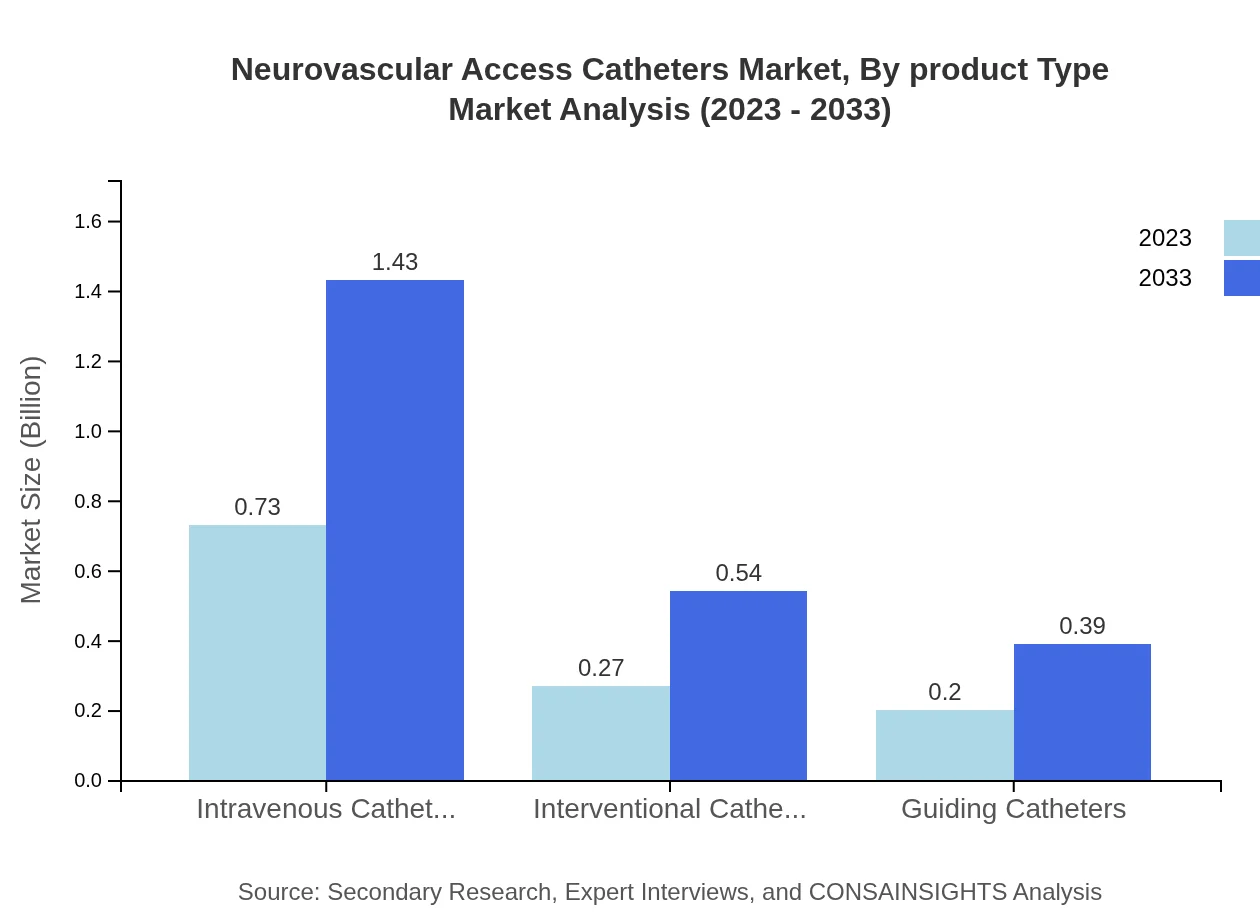
The product types include Intravenous Catheters, Interventional Catheters, and Guiding Catheters. The largest segment, Polymer catheter solutions, held an 80.95% market share in 2023 with projections to sustain this dominance over the forecast period. Metal alloy options constitute a smaller segment but are vital for specific procedural contexts.
Neurovascular Access Catheters Market Analysis By Application
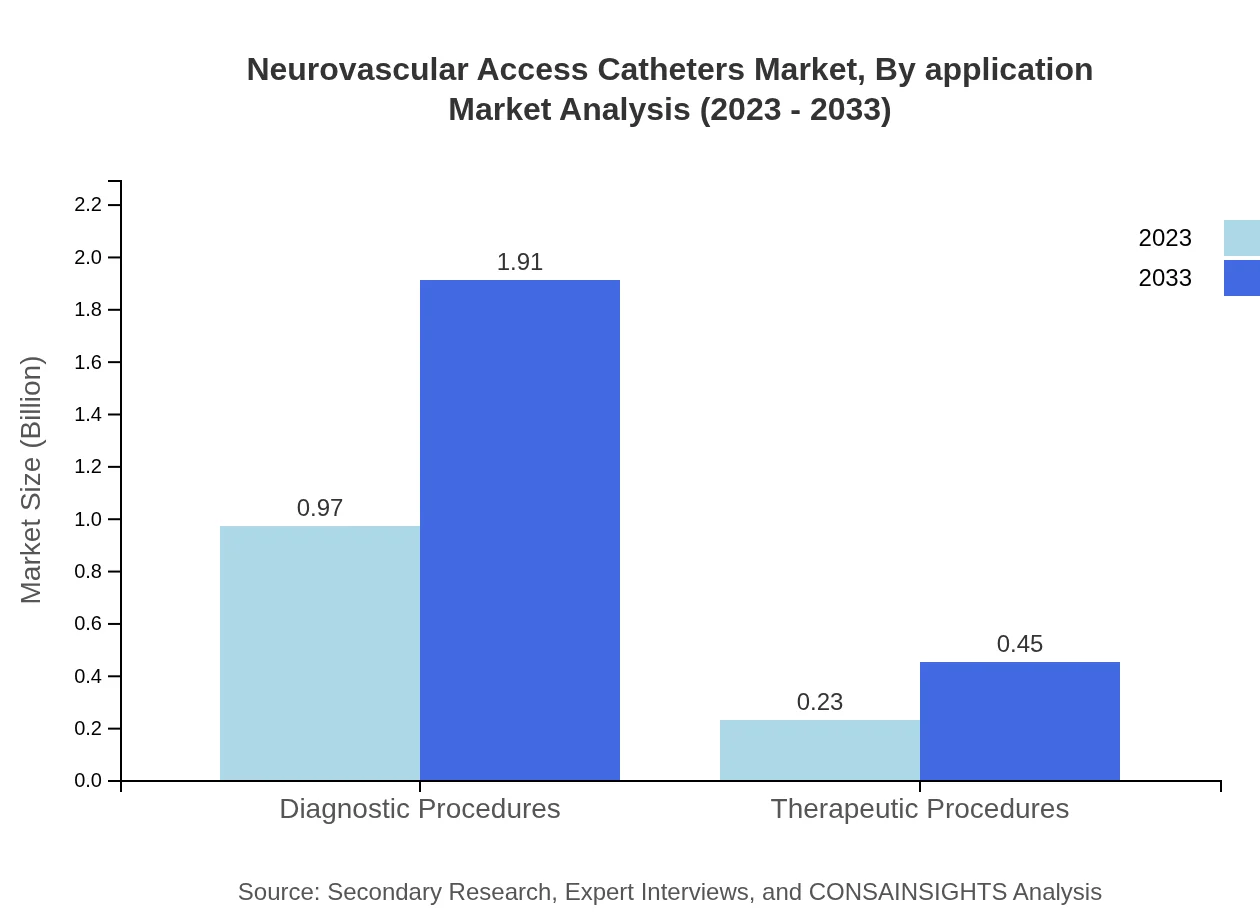
Applications of neurovascular access catheters include diagnostic and therapeutic procedures, with diagnostic procedures commanding the largest share. These procedures alone occupy 80.95% of the market as of 2023, with an increasing trend driven by the growing need for early diagnosis.
Neurovascular Access Catheters Market Analysis By End User
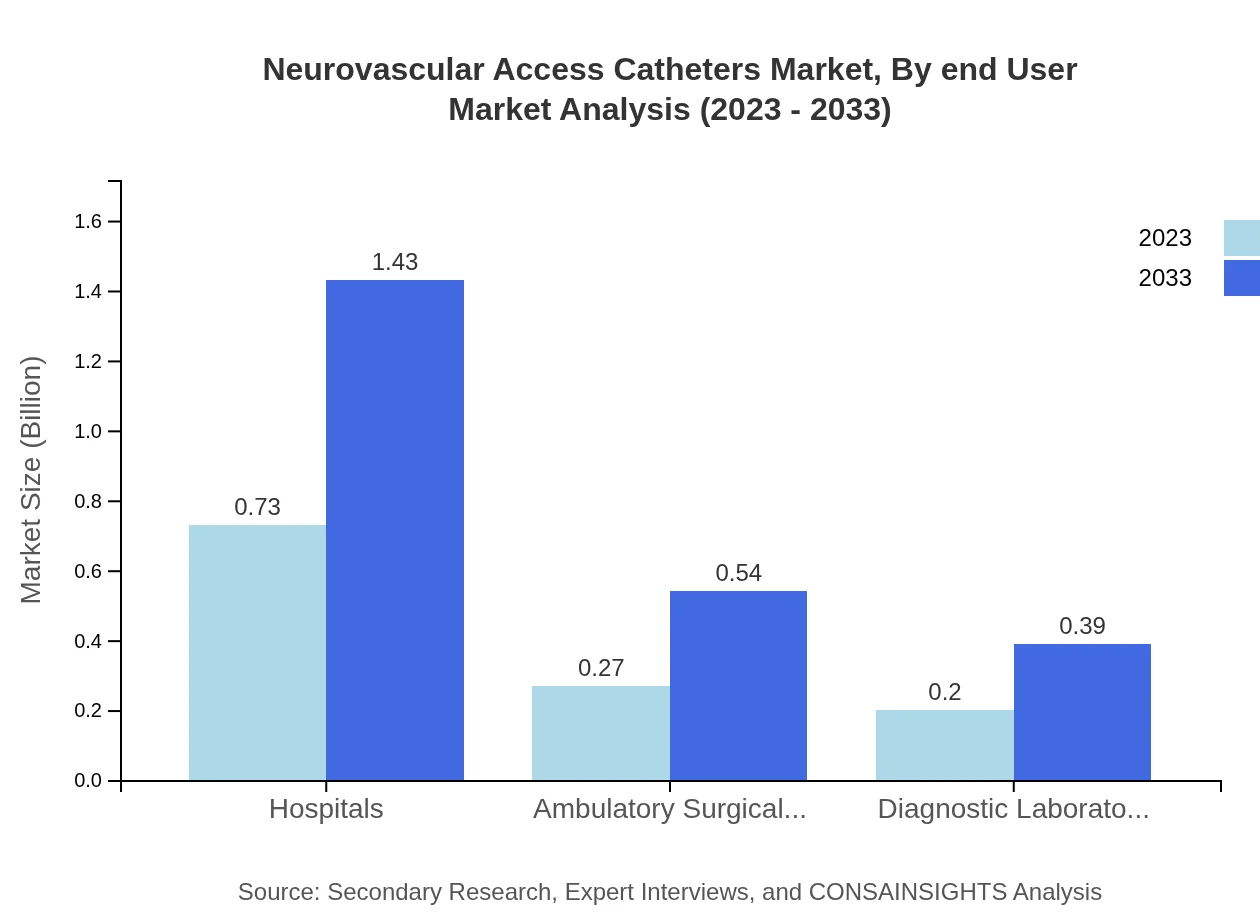
Hospitals lead the market share, making up 60.66% of the total, reflecting their critical role in conducting neurovascular interventions. Ambulatory surgical centers are also gaining traction as surgical practices evolve towards outpatient care.
Neurovascular Access Catheters Market Analysis By Material
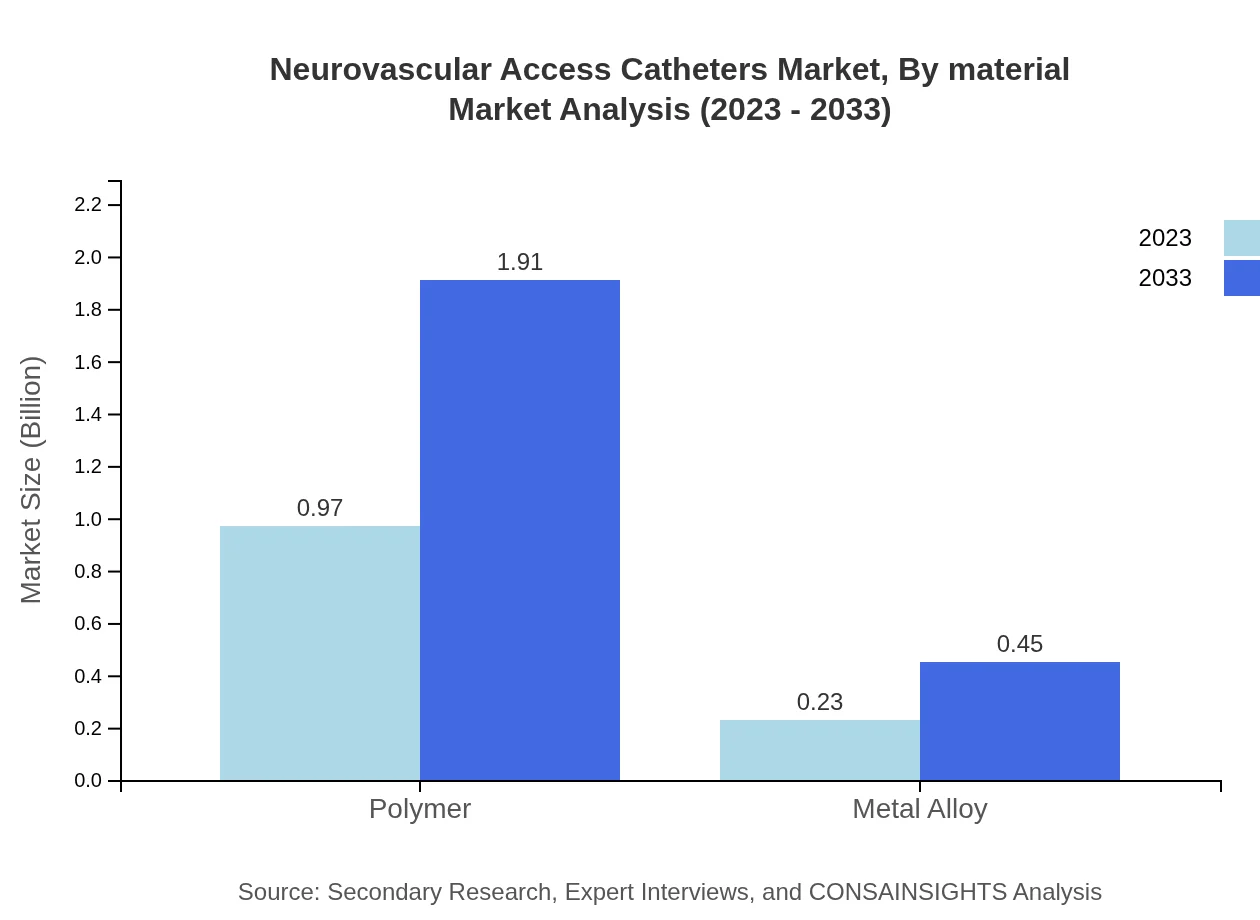
The predominant materials used are polymers and metal alloys, with polymers representing 80.95% of the market share in 2023. These materials are favored for their biocompatibility and flexibility, essential for patient comfort and ease of use.
Neurovascular Access Catheters Market Analysis By Technology
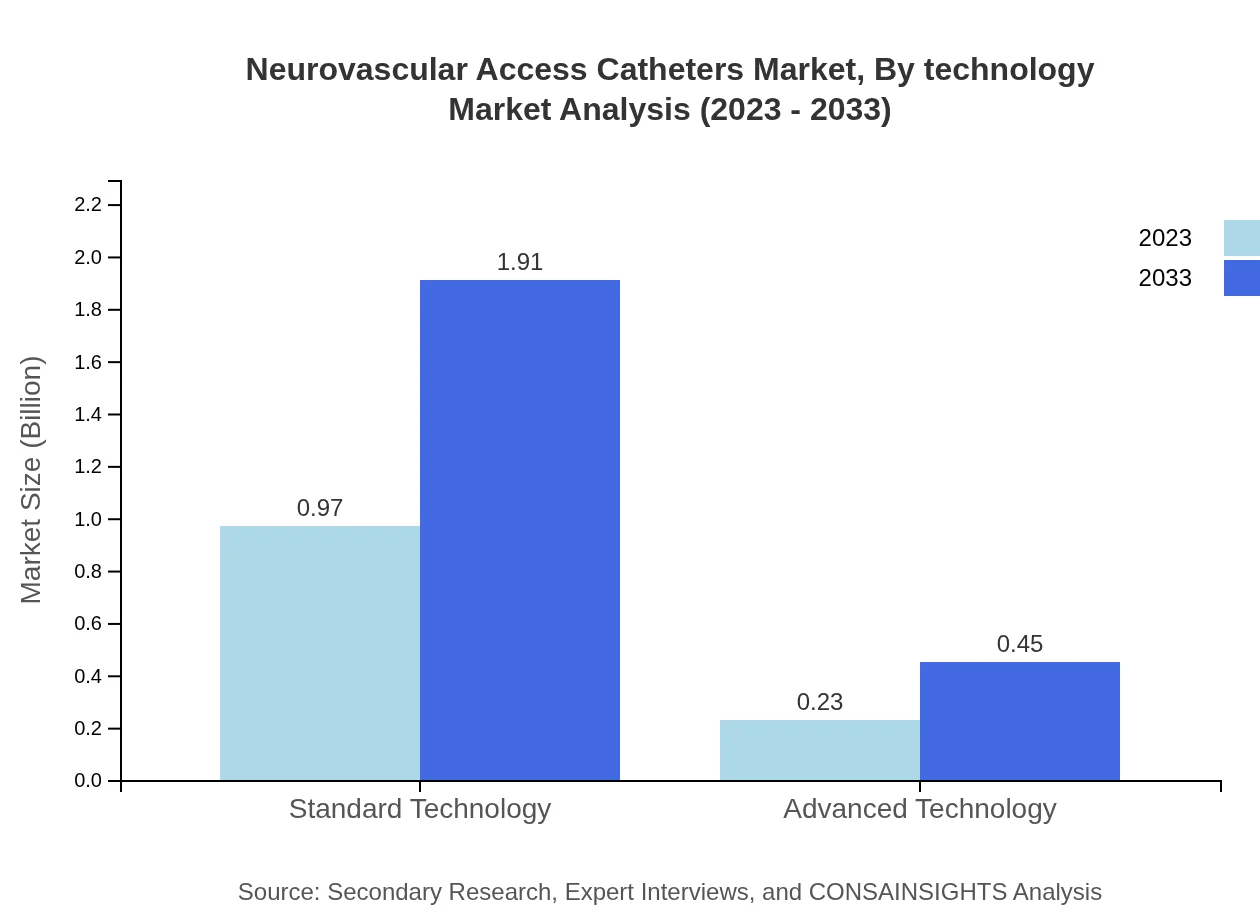
Standard technology currently dominates the market with 80.95% and is expected to continue leading due to its established performance. Advanced technologies, while smaller at 19.05%, represent a growing niche where innovation will likely augment overall market growth.
Neurovascular Access Catheters Market Trends and Future Forecast
Tell us your focus area and get a customized research report.
Global Market Leaders and Top Companies in Neurovascular Access Catheters Industry
Medtronic :
A leading company in medical devices known for innovation in advanced neurovascular interventions.Boston Scientific:
Specializes in various catheters and is recognized for its commitment to advancing therapeutic options.Stryker :
Manufacturers of a diverse range of neurovascular products tailored for both diagnostics and treatment.Terumo Corporation:
Known for high-quality catheter solutions focusing on safety and efficacy in the neurovascular field.We're grateful to work with incredible clients.








FAQs
What is the market size of the Neurovascular Access Catheters Market Report in 2023?
The market size in 2023 is $1.20 Billion, reflecting current demand for neurovascular access devices across key end-users and regions as defined in the report.
How big is the market expected to be in 2033?
The market is projected to reach $2.36 Billion by 2033, based on the forecast period and assessed trends influencing neurovascular access catheter adoption.
What is CAGR for the forecast period?
The compound annual growth rate for the forecast period 2023 to 2033 is 6.8%, reflecting the projected expansion of the market over the decade.
Is there a single fastest Growing region in the Neurovascular Access Catheters Market Report market?
No single fastest-growing region is stated for the Neurovascular Access Catheters Market Report market because the top regional implied CAGR values are within 0.15 percentage points of each other, making the ranking too close to call reliably.
Which companies lead the market?
Top companies listed include Medtronic, Boston Scientific, Stryker, and Terumo Corporation, each active in product development, clinical studies, and market expansion initiatives.
What are the primary drivers of market growth?
Primary growth drivers include increasing neurovascular disease incidence, preference for minimally invasive procedures, investment in healthcare infrastructure, and material and technology innovation.
How are product segments organized in the report?
Product segmentation covers intravenous, interventional, and guiding catheters alongside application, technology, material, and end-user breakdowns to reflect clinical and commercial use cases.
Who are the main end Users for these catheters?
Hospitals are the predominant end-user, complemented by ambulatory surgical centers and diagnostic laboratories, reflecting where most neurovascular procedures are performed.
What materials are highlighted in the market analysis?
The analysis highlights polymer and metal alloy materials used in catheter manufacturing, noting their roles in device flexibility, durability, and procedural performance.
Why is technological advancement important for this market?
Technological improvements, including enhanced navigation and visibility features, support safer procedures and broaden clinical applicability, driving adoption among clinicians and institutions.