

Diabetic Retinopathy Market Report
First published: 21 October 2024 | Last updated: 25 May 2026 | Report Code: diabetic-retinopathy
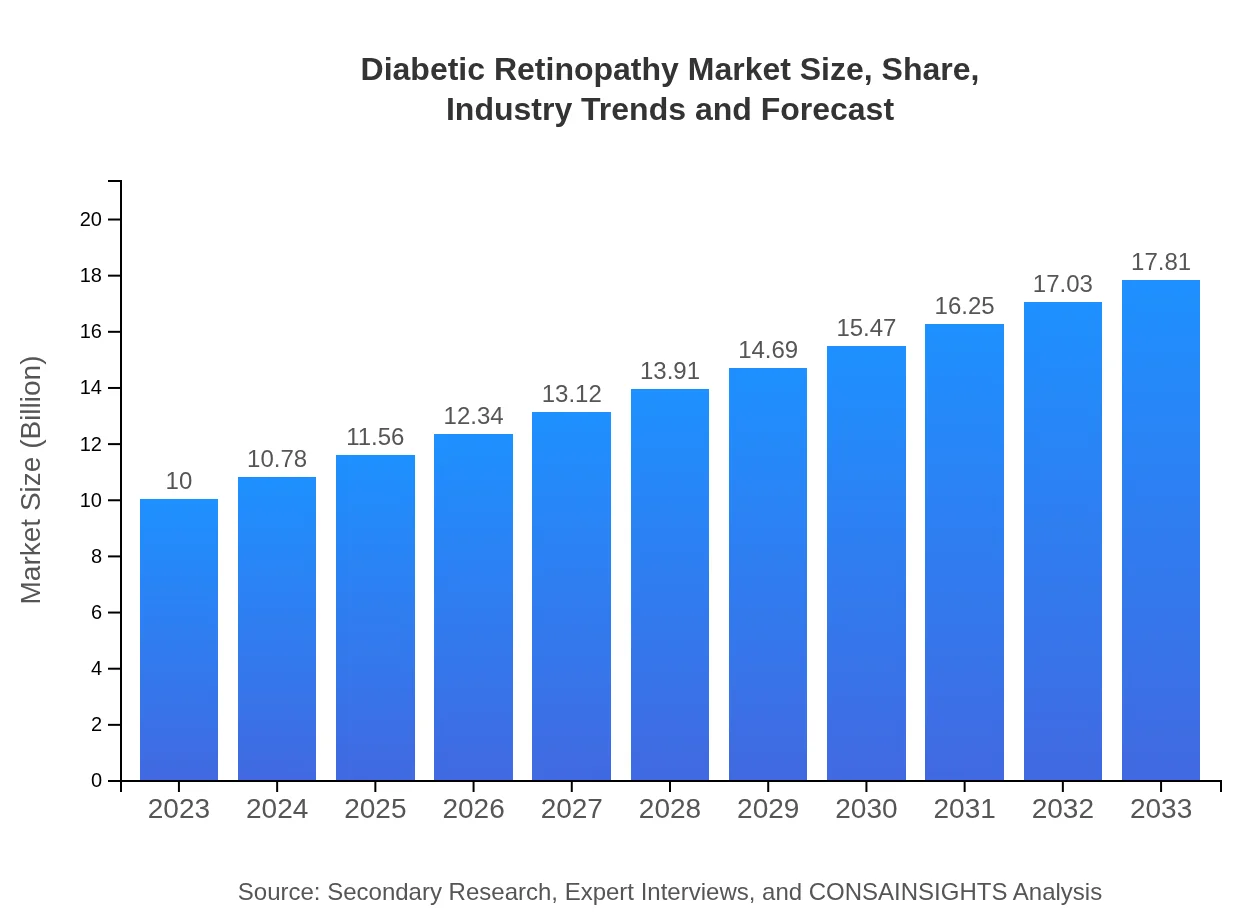
Diabetic Retinopathy Market — USD 10 billion in 2023, Growing to USD 17.81B by 2033 at 5.8% CAGR
This report provides a comprehensive analysis of the Diabetic Retinopathy market, highlighting insights on current trends, market size, and forecasts from 2023 to 2033. It examines various segmentation, regional performance, and key players in the industry.
Key Takeaways
- Global market value moves from $10.00 Billion in 2023 to $17.81 Billion in 2033 with a 5.8% CAGR for 2023 to 2033.
- North America is largest regional market, while no single fastest-growing region is stated because regional CAGR differences remain within 0.15 percentage points.
- Europe develops from $2.79 Billion in 2023 to $4.96 Billion in 2033, reflecting notable regional expansion.
- Asia Pacific advances from $1.96 Billion in 2023 to $3.49 Billion in 2033 amid technology adoption and rising disease awareness.
- Key players include Novartis, Regeneron Pharmaceuticals, Alcon, and Bayer, active across therapeutics and diagnostics.
Diabetic Retinopathy Market Report — Executive Summary
North America remains largest market by forecast-period value, while no single fastest-growing region is stated because top regional growth rates are separated by less than 0.15 percentage points. This report outlines the Diabetic Retinopathy market trajectory from 2023 to 2033, with value increasing from $10.00 Billion to $17.81 Billion at a 5.8% CAGR. Growth is driven by rising diabetes prevalence, improvements in diagnostic imaging and therapeutic approaches, and heightened awareness of eye health. The market structure covers treatment types (laser therapy, injections, surgery), diagnostic methods (ophthalmoscopy, fundus photography, optical coherence tomography), therapeutic classes (Anti-VEGF, corticosteroids, others) and end users such as hospitals, ophthalmology clinics and research institutes. Regional breakdown highlights North America as the largest market, with Europe, Asia Pacific, Latin America, and Middle East & Africa following based on their respective 2023–2033 values. Competitive dynamics feature established pharmaceuticals and device manufacturers including Novartis, Regeneron Pharmaceuticals, Alcon and Bayer. The analysis emphasizes ongoing innovation in diagnostics and therapy delivery, and the role of research investment and clinical adoption in shaping near-term opportunities.
Key Growth Drivers
- Increasing prevalence of diabetes leading to greater demand for diabetic retinopathy diagnosis and treatment.
- Advances in retinal imaging and diagnostics improving early detection and patient management.
- Development and adoption of targeted therapies and injection-based treatments expanding therapeutic options.
- Rising awareness and screening initiatives encouraging earlier intervention and referrals to ophthalmic care.
- Sustained R&D and investment by pharmaceutical and medical device companies enhancing treatment pipelines.
| Metric | Value |
|---|---|
| Study Period | 2023 - 2033 |
| 2023 Market Size | $10.00 Billion |
| CAGR (2023-2033) | 5.8% |
| 2033 Market Size | $17.81 Billion |
| Top Companies | Novartis, Regeneron Pharmaceuticals, Alcon, Bayer |
| Published Date | 21 October 2024 |
| Last Modified Date | 25 May 2026 |
Diabetic Retinopathy Market Overview
Customize Diabetic Retinopathy Market Report market research report
- ✔ Get in-depth analysis of Diabetic Retinopathy market size, growth, and forecasts.
- ✔ Understand Diabetic Retinopathy's regional dynamics and industry-specific trends.
- ✔ Identify potential applications, end-user demand, and growth segments in Diabetic Retinopathy
What is the Market Size & CAGR of Diabetic Retinopathy Market Report market in 2023?
Diabetic Retinopathy Industry Analysis
Diabetic Retinopathy Market Segmentation and Scope
Tell us your focus area and get a customized research report.
Diabetic Retinopathy Market Report Market Analysis Report by Region
Europe Diabetic Retinopathy Market Report:
Europe grows from $2.79 Billion in 2023 to $4.96 Billion in 2033. Expansion is supported by widespread screening programs, investments in diagnostic capabilities, and uptake of advanced therapies within clinical practice.Asia Pacific Diabetic Retinopathy Market Report:
Asia Pacific grows from $1.96 Billion in 2023 to $3.49 Billion in 2033. Market progression is driven by increasing diabetes prevalence, improving access to ophthalmic services, and growing implementation of modern diagnostics and treatments.North America Diabetic Retinopathy Market Report:
North America is largest regional market, rising from $3.73 Billion in 2023 to $6.64 Billion in 2033. Regional growth reflects strong clinical adoption, established healthcare infrastructure, and active participation by major manufacturers and research centers.South America Diabetic Retinopathy Market Report:
Latin America grows from $0.5 Billion in 2023 to $0.89 Billion in 2033. Growth stems from expanding awareness, gradual enhancement of retinal care services, and rising investments in healthcare infrastructure.Middle East & Africa Diabetic Retinopathy Market Report:
Middle East and Africa grows from $1.03 Billion in 2023 to $1.83 Billion in 2033. Regional momentum is supported by improving diagnostic capacity, public health initiatives, and greater emphasis on managing diabetes-related complications.Tell us your focus area and get a customized research report.
Research Methodology
Diabetic Retinopathy Market Analysis By Diagnosis Method
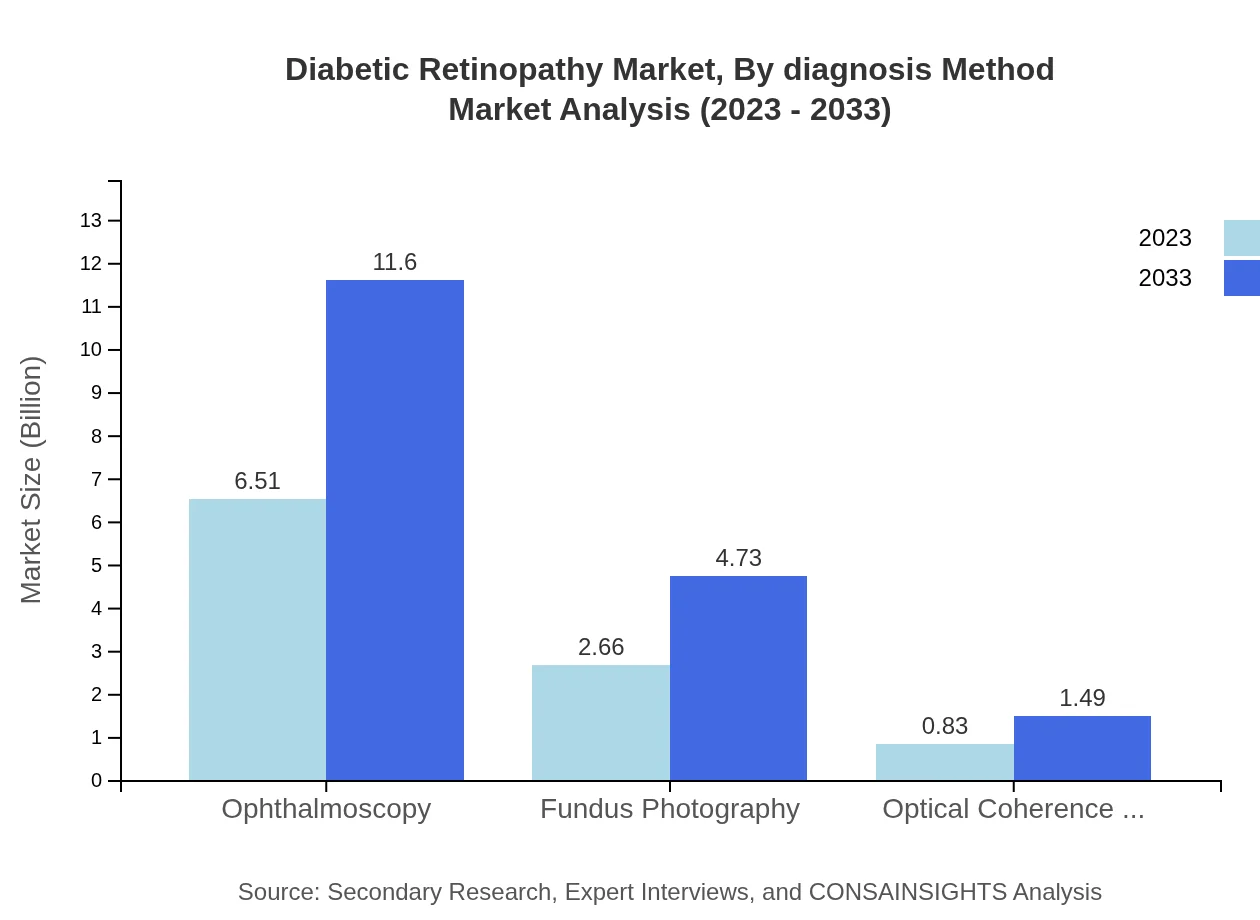
The diagnosis of Diabetic Retinopathy relies on various methods such as Fundus Photography, Optical Coherence Tomography (OCT), and fluorescein angiography, which are critical in detecting and monitoring the disease. As of 2023, this segment constitutes a significant share of the market, projected to leverage advancements in imaging technologies that improve diagnosis precision and speed.
Diabetic Retinopathy Market Analysis By Treatment
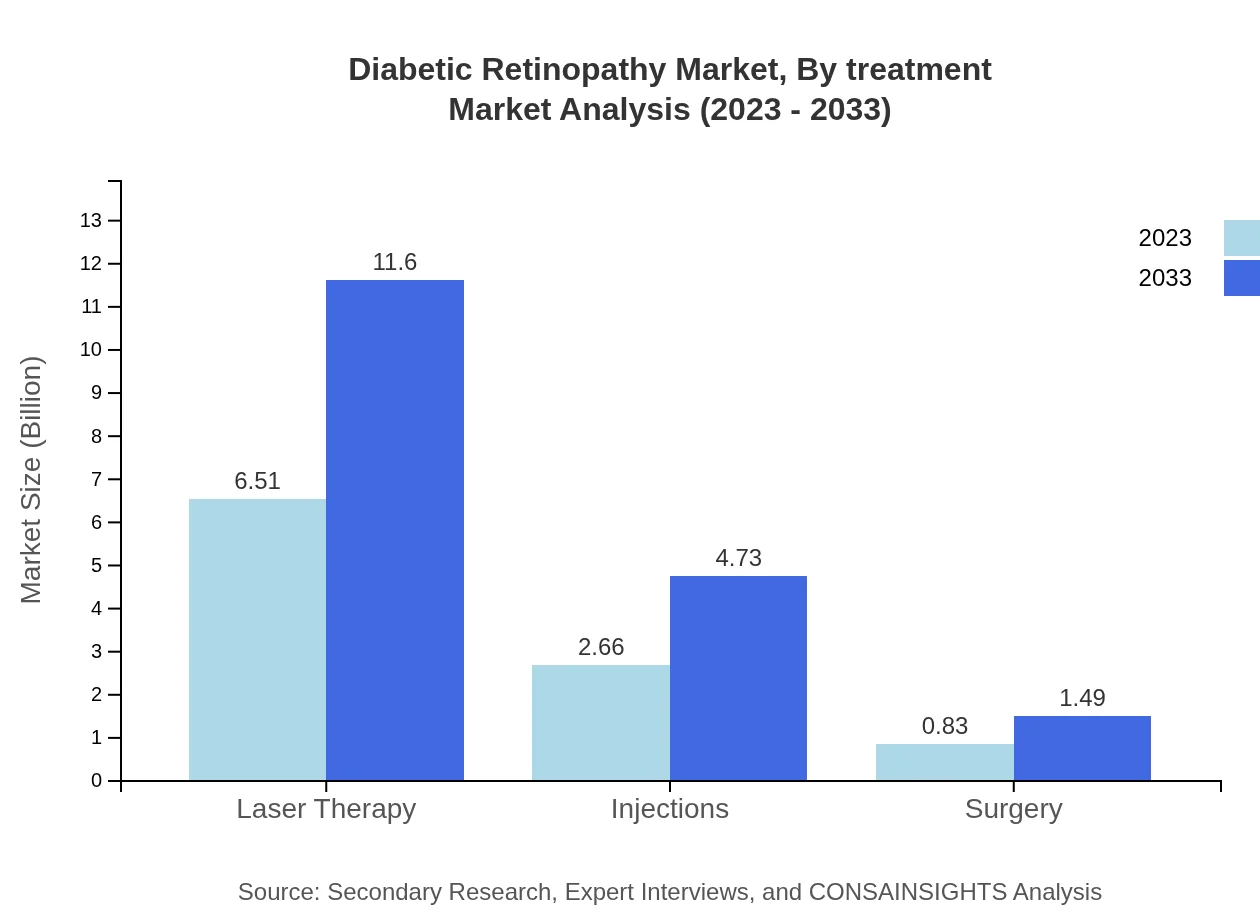
The treatment segment is bifurcated into Laser Therapy, Injections (Anti-VEGF, Corticosteroids), and Surgical interventions. Laser therapy continues to dominate the market due to effectiveness and accessibility; however, the use of Anti-VEGF therapies is showing impressive growth due to their efficacy in managing advanced stages of Retinopathy. By 2033, these treatment modalities are expected to expand significantly.
Diabetic Retinopathy Market Analysis By End User
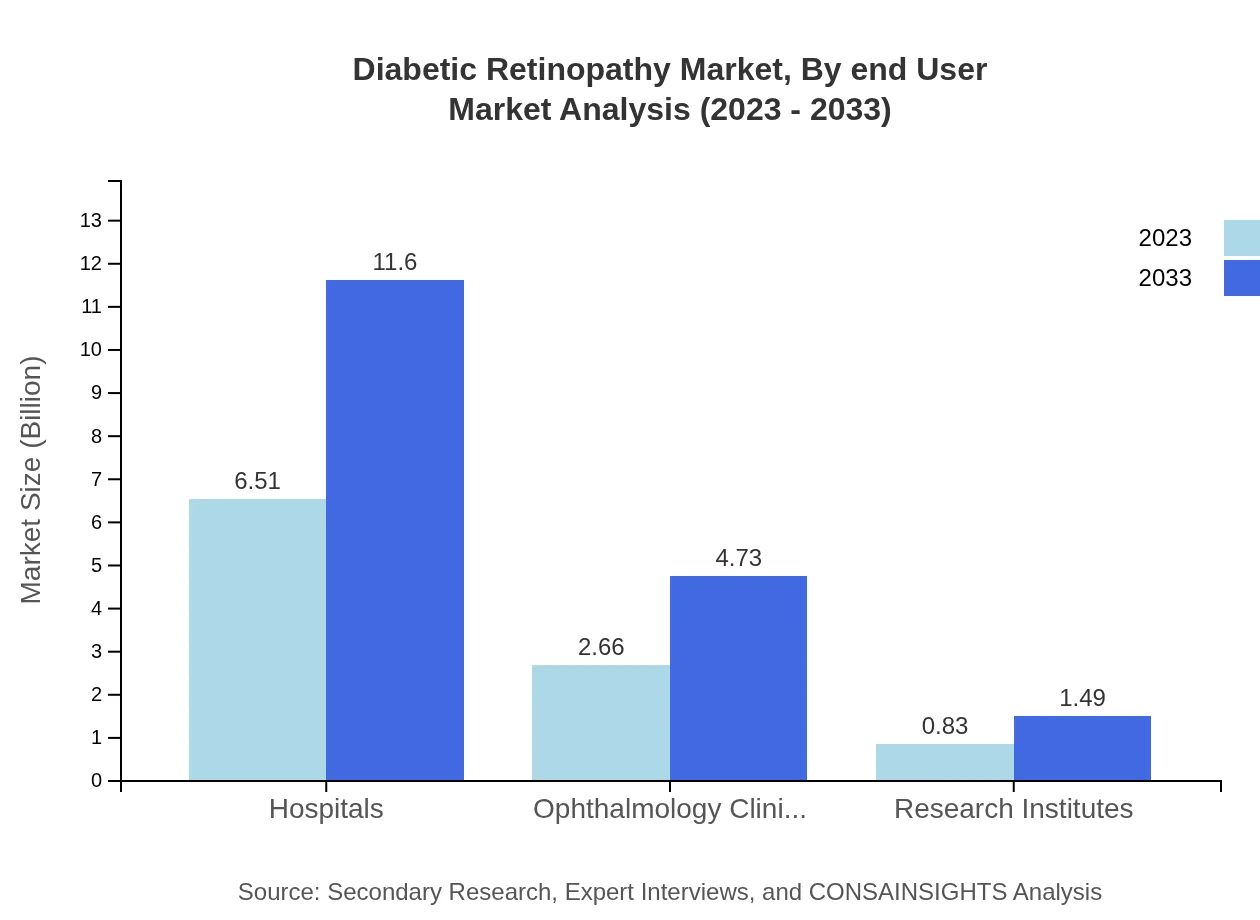
Hospitals account for the largest portion of the market with a 65.1% share in 2023, reflecting their capabilities in managing complex cases. Ophthalmology clinics and research institutes follow, focusing on outpatient services and clinical studies aimed at advancing DR management.
Diabetic Retinopathy Market Analysis By Stage
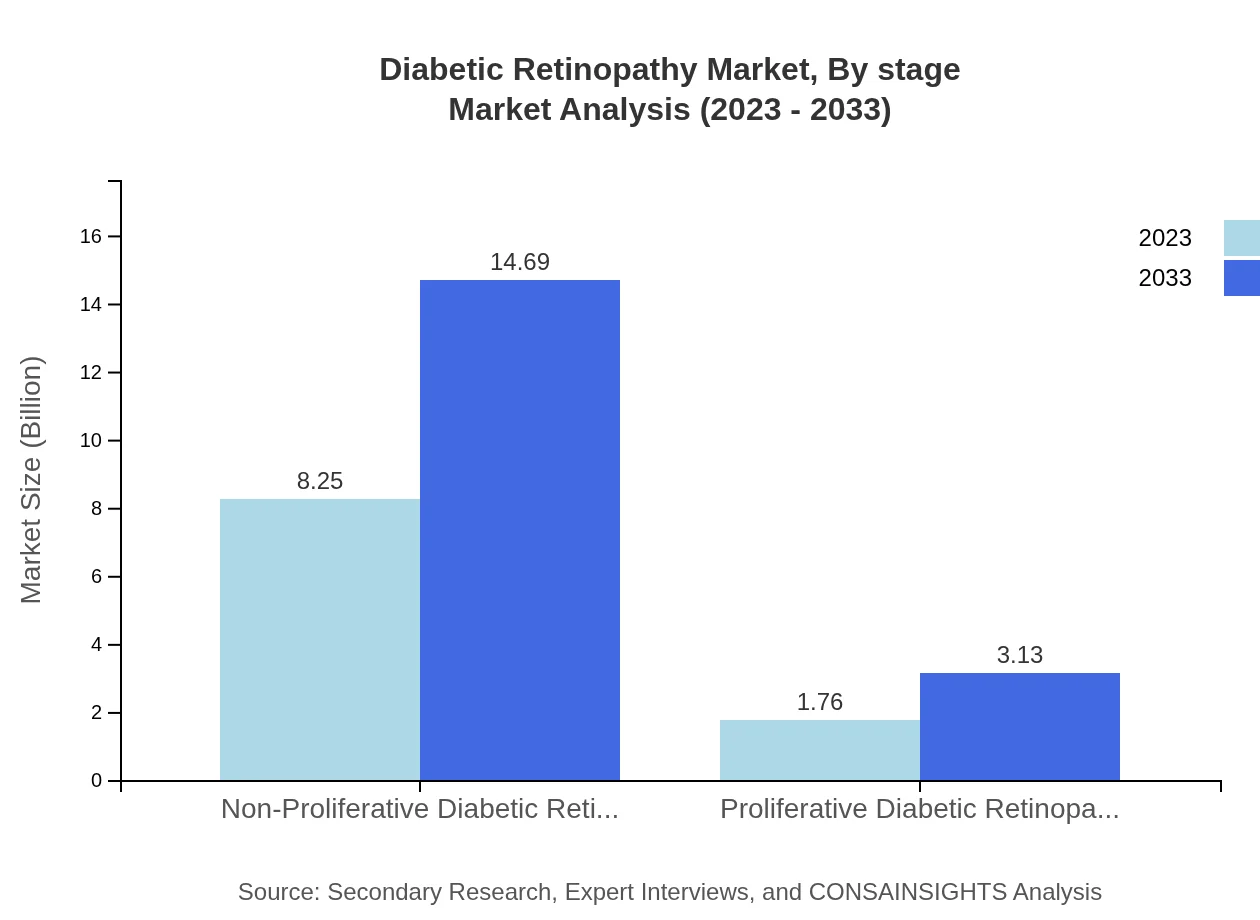
The market can be segmented into Non-Proliferative and Proliferative stages. Non-Proliferative Diabetic Retinopathy constitutes a substantial share, as it is the earlier form of DR, whereas Proliferative Diabetic Retinopathy represents advanced stages, requiring more intensive treatment. Both stages show robust growth potential driven by the rising diabetic population globally.
Diabetic Retinopathy Market Analysis By Therapeutic Class
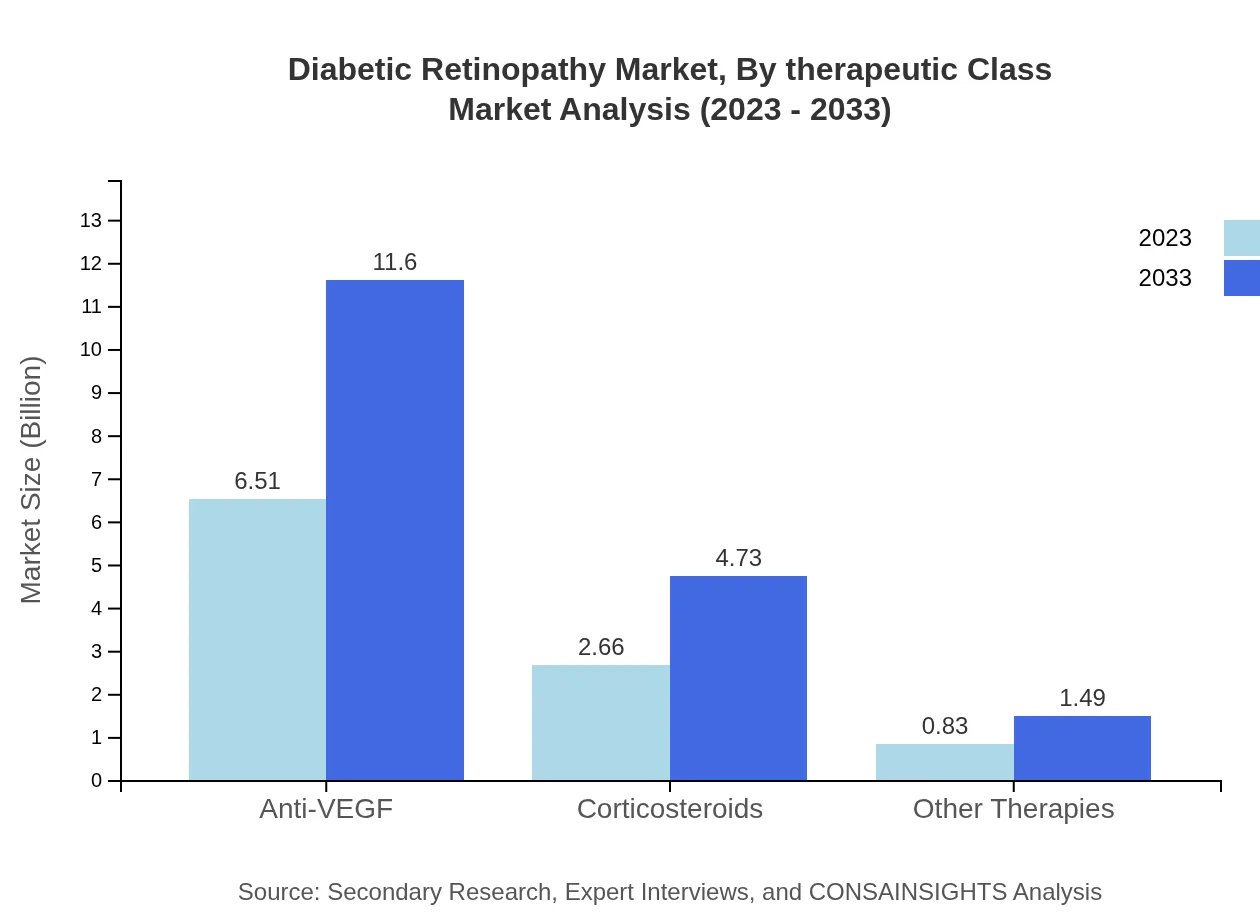
This market segment includes Anti-VEGF therapies, Corticosteroids, and Other Therapies. Anti-VEGF remains a leading class due to high efficacy rates in treating retinal complications associated with DR, while awareness around corticosteroids continues to rise due to their manageable side effects.
Diabetic Retinopathy Market Trends and Future Forecast
Tell us your focus area and get a customized research report.
Global Market Leaders and Top Companies in Diabetic Retinopathy Industry
Novartis:
A frontrunner in ophthalmic diseases, Novartis leads with its innovative Anti-VEGF products that significantly contribute to the treatment landscape of Diabetic Retinopathy.Regeneron Pharmaceuticals:
Known for its pivotal role in developing Eylea, a ground-breaking drug for DR, Regeneron has established itself as a leader in the industry, continuously advancing therapeutic options.Alcon:
A global leader in eye care, Alcon offers a range of products including surgical instruments and topical medications, enhancing the management of diabetic eye diseases.Bayer:
Bayer's investment in research for treatments targeting diabetes-related complications positions it as a significant player in the Diabetic Retinopathy space.We're grateful to work with incredible clients.







FAQs
What is the market size of the Diabetic Retinopathy market in 2023?
The market size in 2023 is $10.00 Billion, based on the report's baseline valuation for the global diabetic retinopathy market.
How big will the Diabetic Retinopathy market be in 2033?
By 2033 the market is projected to reach $17.81 Billion, reflecting the report's forecasted expansion over the 2023 to 2033 period.
What is CAGR for the Diabetic Retinopathy market from 2023 to 2033?
The compound annual growth rate (CAGR) for the period 2023 to 2033 is 5.8%, as stated in the report's forecast metrics.
Is there a single fastest Growing region in the Diabetic Retinopathy Market Report market?
No single fastest-growing region is stated for the Diabetic Retinopathy Market Report market because the top regional implied CAGR values are within 0.15 percentage points of each other, making the ranking too close to call reliably.
Which companies are highlighted in the competitive landscape?
Top companies named in the report include Novartis, Regeneron Pharmaceuticals, Alcon, and Bayer, representing major therapeutic and device players.
How do diagnostic methods impact market growth?
Improvements in ophthalmoscopy, fundus photography and optical coherence tomography bolster early detection, driving greater screening and subsequent treatment demand.
What are the primary treatment categories included in the report?
The report covers laser therapy, injections and surgery as main treatment categories, reflecting clinical pathways for diabetic retinopathy management.
Who are the main end users served in the market?
Primary end users listed are hospitals, ophthalmology clinics and research institutes, which are central to diagnosis, treatment and clinical research.