

Dry Eye Syndrome Market Report
First published: 21 October 2024 | Last updated: 25 May 2026 | Report Code: dry-eye-syndrome
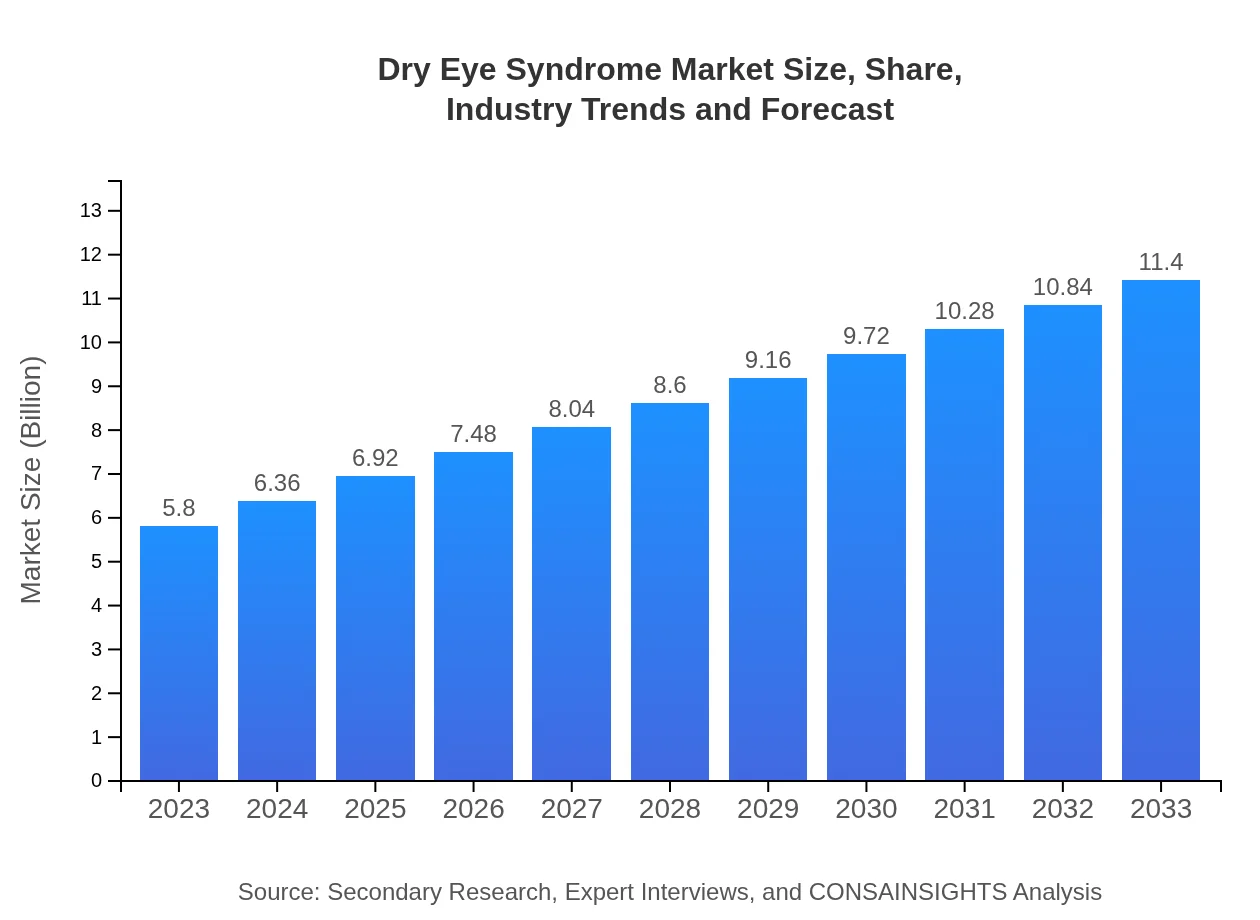
Dry Eye Syndrome Market — USD $5.8 Billion in 2023, Growing to USD 11.40null by 2033 at 6.8% CAGR
This report provides a comprehensive analysis of the Dry Eye Syndrome market, featuring insights on market dynamics, trends, growth forecasts for 2023-2033, and segmentation by product type, treatment method, and regional distribution.
Key Takeaways
- Global market value increases from $5.80 Billion in 2023 to $11.40 Billion by 2033 at a 6.8% CAGR.
- Europe is largest regional market, while no single fastest-growing region is stated because regional CAGR differences remain within 0.15 percentage points.
- Product mix emphasizes artificial tears, anti-inflammatory agents and punctual plugs across multiple treatment pathways.
- Top industry participants include Allergan, Santen Pharmaceutical, Bausch + Lomb and Novartis AG, driving innovation and distribution reach.
Dry Eye Syndrome Market Report — Executive Summary
Europe remains largest market by forecast-period value, while no single fastest-growing region is stated because top regional growth rates are separated by less than 0.15 percentage points. The market for Dry Eye Syndrome is expanding steadily, supported by growing patient awareness, higher diagnosis rates and ongoing innovation in formulations and delivery. Between 2023 and 2033 the market is forecast to progress from $5.80 Billion to $11.40 Billion at a 6.8% CAGR. Product categories such as artificial tears and anti-inflammatory therapies remain central, alongside surgical and device options for persistent cases. Distribution channels span online pharmacies, retail outlets and hospitals, serving individuals and healthcare providers. Regional patterns show Europe as the largest market by 2033. Major players—Allergan, Santen Pharmaceutical, Bausch + Lomb and Novartis AG—are active in R&D, commercial partnerships and expanded distribution. Regulatory factors, reimbursement environments and technological advances in preservative-free formulations and delivery systems will shape adoption. This report synthesizes primary interviews, secondary literature, and triangulated data to present a concise roadmap for stakeholders planning product development, market entry or investment.
Key Growth Drivers
- Rising public awareness and higher levels of diagnosis increase demand for symptomatic and long-term dry eye care solutions.
- Product innovation, including preservative-free formulations and novel delivery methods, improves patient adherence and treatment outcomes.
- Expanded online and retail pharmacy channels enhance access to over-the-counter and prescription therapies.
- Healthcare provider education and integrated care pathways encourage earlier intervention and chronic management.
- Investment by major firms supports new therapeutic options and wider geographic distribution.
| Metric | Value |
|---|---|
| Study Period | 2023 - 2033 |
| 2023 Market Size | $5.80 Billion |
| CAGR (2023-2033) | 6.8% |
| 2033 Market Size | $11.40 Billion |
| Top Companies | Allergan, Santen Pharmaceutical, Bausch + Lomb, Novartis AG |
| Published Date | 21 October 2024 |
| Last Modified Date | 25 May 2026 |
Dry Eye Syndrome Market Overview
Customize Dry Eye Syndrome Market Report market research report
- ✔ Get in-depth analysis of Dry Eye Syndrome market size, growth, and forecasts.
- ✔ Understand Dry Eye Syndrome's regional dynamics and industry-specific trends.
- ✔ Identify potential applications, end-user demand, and growth segments in Dry Eye Syndrome
What is the Market Size & CAGR of Dry Eye Syndrome Market Report market in 2023?
Dry Eye Syndrome Industry Analysis
Dry Eye Syndrome Market Segmentation and Scope
Tell us your focus area and get a customized research report.
Dry Eye Syndrome Market Report Market Analysis Report by Region
Europe Dry Eye Syndrome Market Report:
Europe is largest regional market, rising from $1.87 Billion in 2023 to $3.67 Billion in 2033. 87 Billion in 2023 to $3.67 Billion in 2033, making it the largest regional market by the end of the forecast. Factors include high diagnosis rates, investment in preservative-free options, and active engagement by major industry players.Asia Pacific Dry Eye Syndrome Market Report:
Asia Pacific grows from $1.12 Billion in 2023 to $2.2 Billion in 2033. Market expansion is driven by rising public awareness, growing healthcare access, and adoption of both pharmacologic and device-based treatments.North America Dry Eye Syndrome Market Report:
North America grows from $1.87 Billion in 2023 to $3.67 Billion in 2033. Regional demand is influenced by awareness campaigns, clinical availability of diverse therapies, and strong participation from established providers and distributors.South America Dry Eye Syndrome Market Report:
Latin America grows from $0.48 Billion in 2023 to $0.93 Billion in 2033. Growth drivers include improving healthcare infrastructure, expanding pharmacy networks and greater patient recognition of dry eye symptoms.Middle East & Africa Dry Eye Syndrome Market Report:
Middle East and Africa grows from $0.47 Billion in 2023 to $0.92 Billion in 2033. Local expansion is supported by increasing availability of treatments, gradual improvements in eye-care services and rising attention to ocular wellness.Tell us your focus area and get a customized research report.
Research Methodology
Dry Eye Syndrome Market Analysis By Product Type
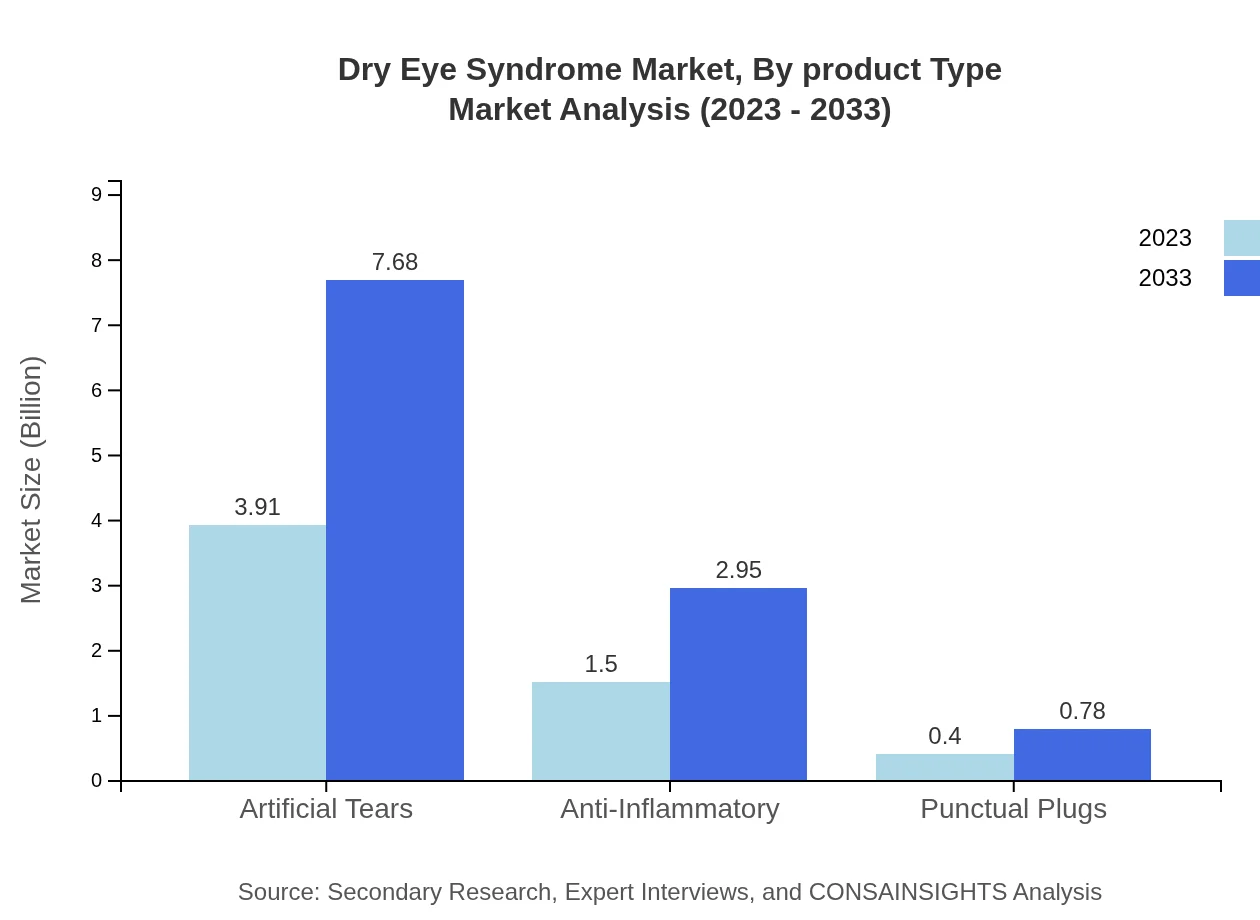
The product segment showcases significant trends: Artificial Tears dominate the market, growing from $3.91 billion in 2023 to $7.68 billion by 2033, capturing 67.33% market share. Anti-Inflammatory products show growth from $1.50 billion to $2.95 billion, retaining a 25.84% share. Surgical treatments and devices are critical elements with noted growth but lower market shares.
Dry Eye Syndrome Market Analysis By Treatment Method
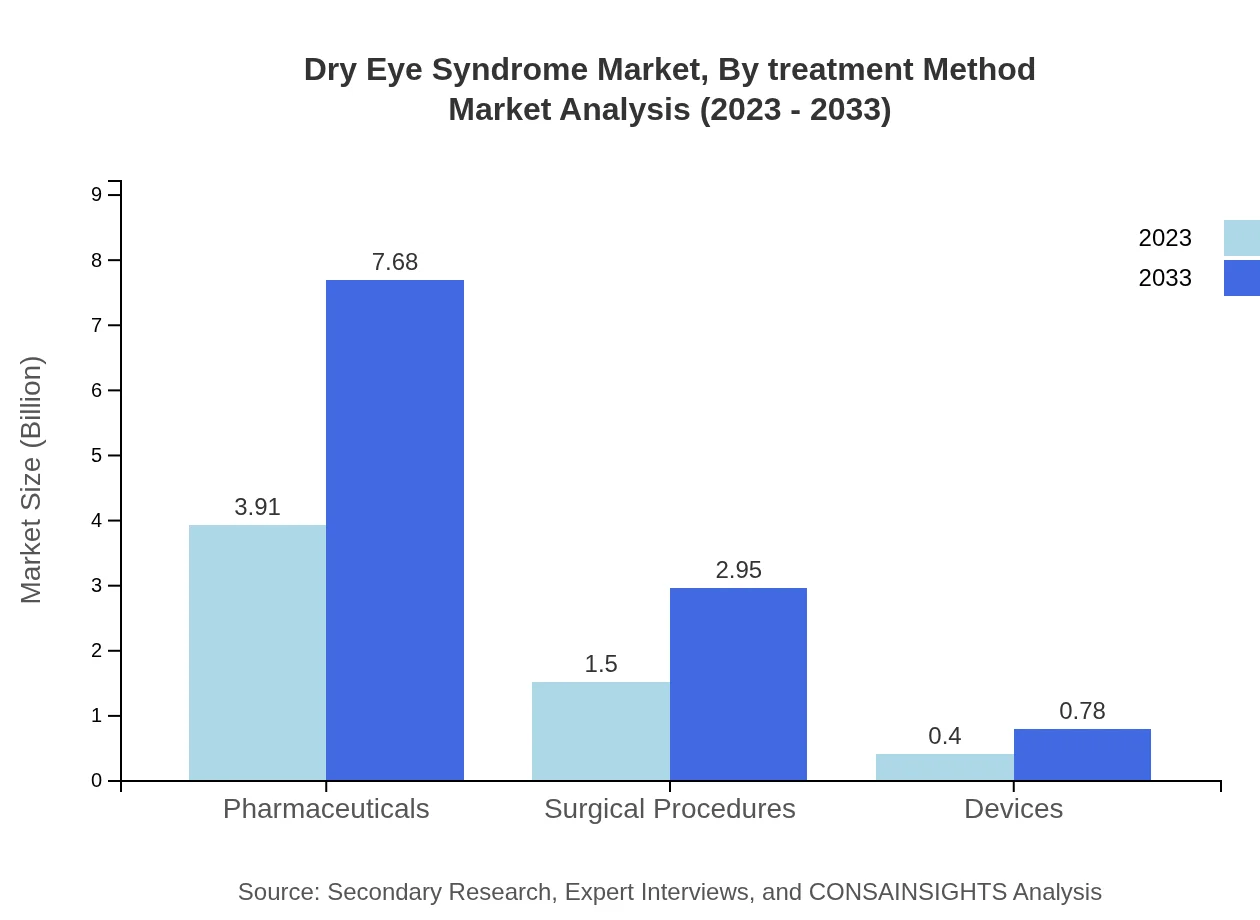
Pharmaceuticals represent the leading treatment method, positing a size of $3.91 billion in 2023 with significant future prospects as digital eye strain rises. Surgical options and devices account for increased investment, thereby enhancing the treatment landscape.
Dry Eye Syndrome Market Analysis By Distribution Channel
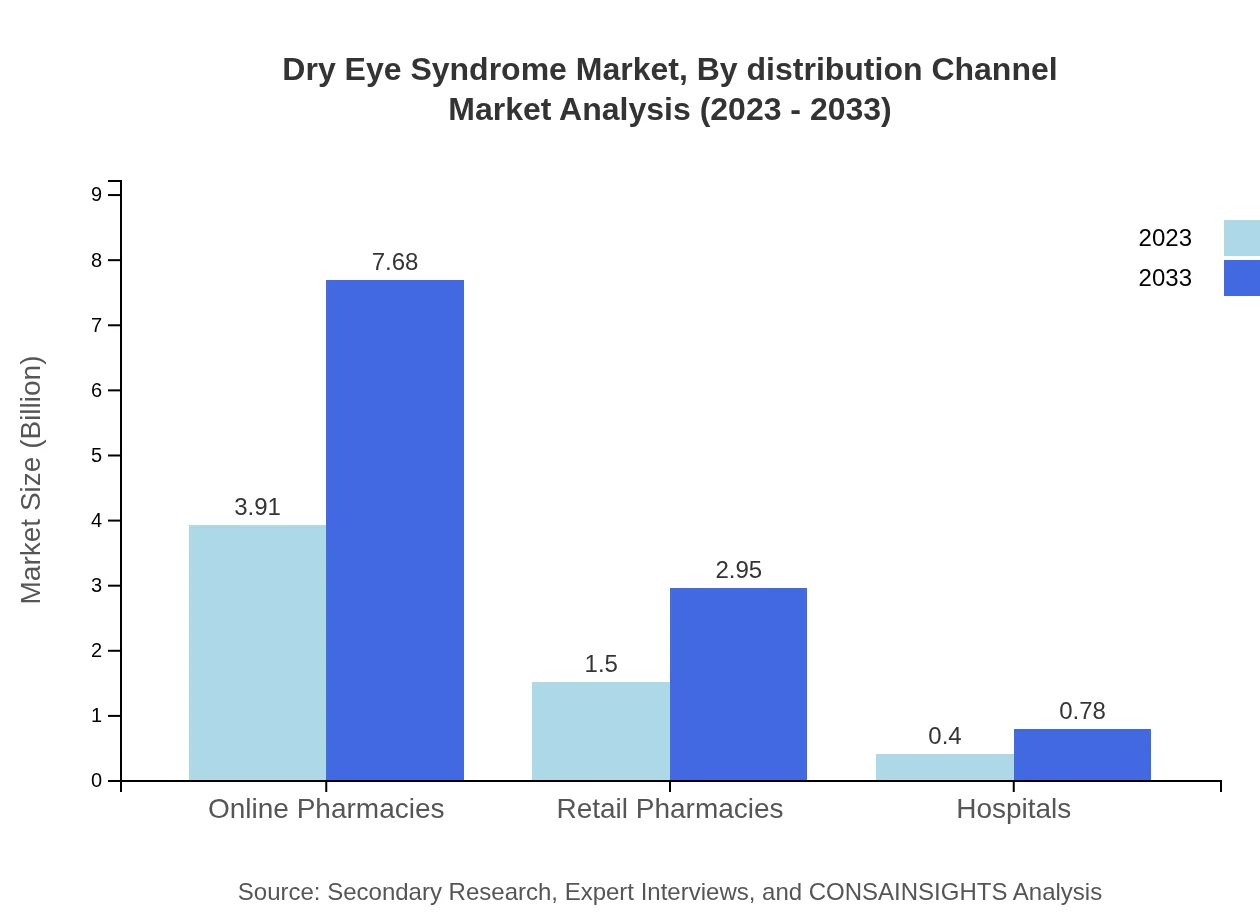
Online pharmacies lead in distribution channels with a market size of $3.91 billion in 2023, predicted to reach $7.68 billion by 2033, allowing for wider access to products. Retail pharmacies and hospitals are critical but face growth from traditional practices.
Dry Eye Syndrome Market Trends and Future Forecast
Tell us your focus area and get a customized research report.
Global Market Leaders and Top Companies in Dry Eye Syndrome Industry
Allergan:
A subsidiary of AbbVie, Allergan is a key player in ophthalmic solutions, recognized for its leading product, Restasis, which is pivotal in dry eye treatment.Santen Pharmaceutical:
Santen specializes in ocular health and has developed various medications and devices targeting dry eye syndrome, contributing to innovative treatment protocols.Bausch + Lomb:
Bausch + Lomb manufactures a wide range of eye health products and is known for its extensive portfolio in artificial tears and treatment solutions.Novartis AG:
Novartis leads advancements in pharmaceuticals, including innovative therapies for dry eye syndrome that enhance patient quality of life.We're grateful to work with incredible clients.









FAQs
What is the market size of the Dry Eye Syndrome market in 2023?
The market size in 2023 is $5.80 Billion, as reported for the global Dry Eye Syndrome market in the provided dataset.
How big will the Dry Eye Syndrome market be in 2033?
By 2033 the market is projected to reach $11.40 Billion according to the input data covering the forecast period 2023 to 2033.
What is CAGR for the Dry Eye Syndrome market from 2023 to 2033?
The reported compound annual growth rate (CAGR) for the forecast period 2023 to 2033 is 6.8% as provided in the input information.
Who are the leading companies in this market?
Top companies cited in the report include Allergan, Santen Pharmaceutical, Bausch + Lomb and Novartis AG as key industry participants.
Which region is the largest for Dry Eye Syndrome by 2033?
Europe is identified as the largest regional market, growing from $1.87 Billion in 2023 to $3.67 Billion in 2033 according to the region facts provided.
Is there a single fastest Growing region in the Dry Eye Syndrome Market Report market?
No single fastest-growing region is stated for the Dry Eye Syndrome Market Report market because the top regional implied CAGR values are within 0.15 percentage points of each other, making the ranking too close to call reliably.
What are the main product segments covered?
Product segments listed include artificial tears, anti-inflammatory agents and punctual plugs, with these categories highlighted in the report's segmentation facts.
How is distribution characterized in the market?
Distribution channels specified are online pharmacies, retail pharmacies and hospitals, serving individuals and healthcare providers in the dataset.
What treatment methods are included in the analysis?
Treatment methods noted in the input include pharmaceuticals, surgical procedures and devices as the primary approaches covered in the report.
Which customer types are addressed in the report?
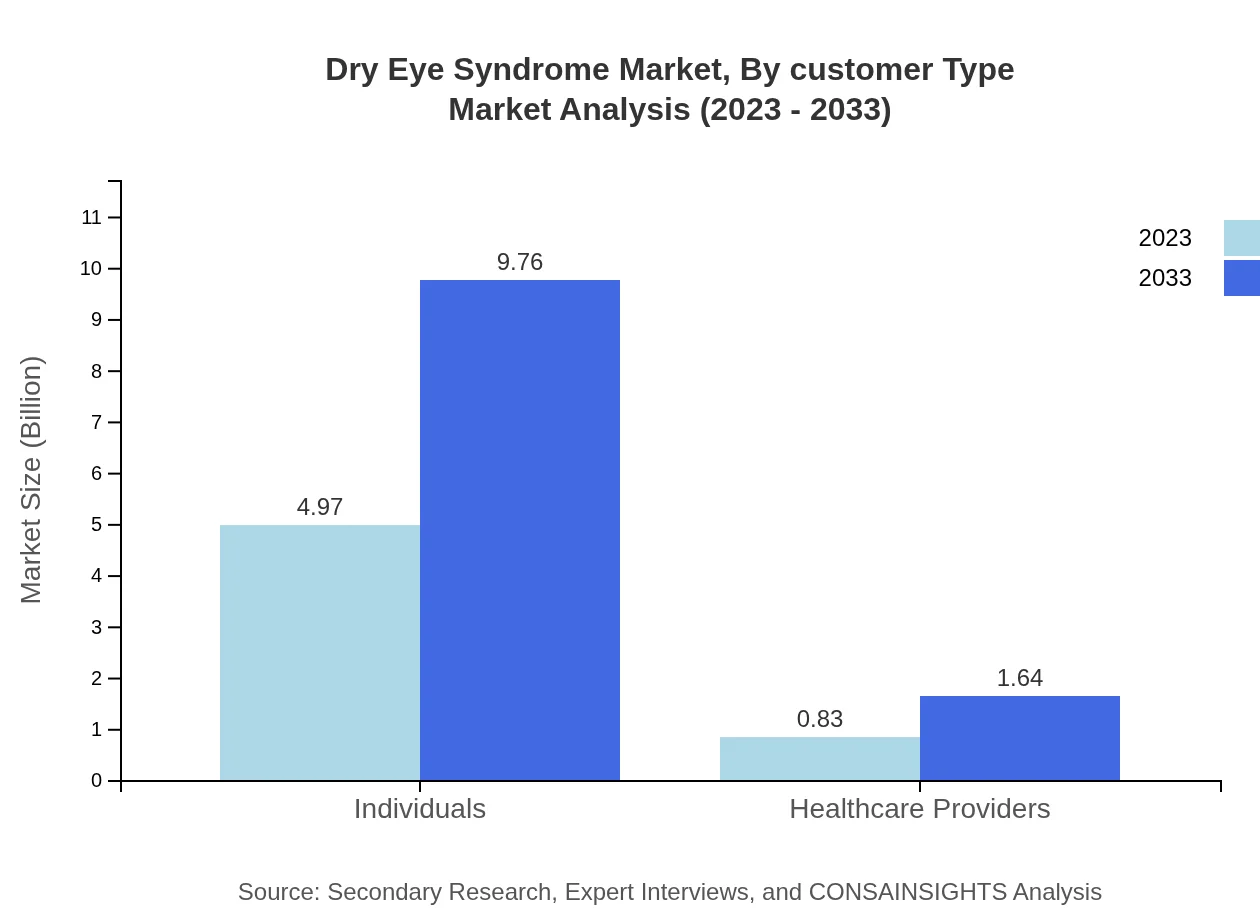
Customer types detailed are individuals and healthcare providers, reflecting the primary end users for therapies and management solutions.