

Cancer Metabolism Based Therapeutics Market Report
First published: 07 October 2024 | Last updated: 25 May 2026 | Report Code: cancer-metabolism-based-therapeutics
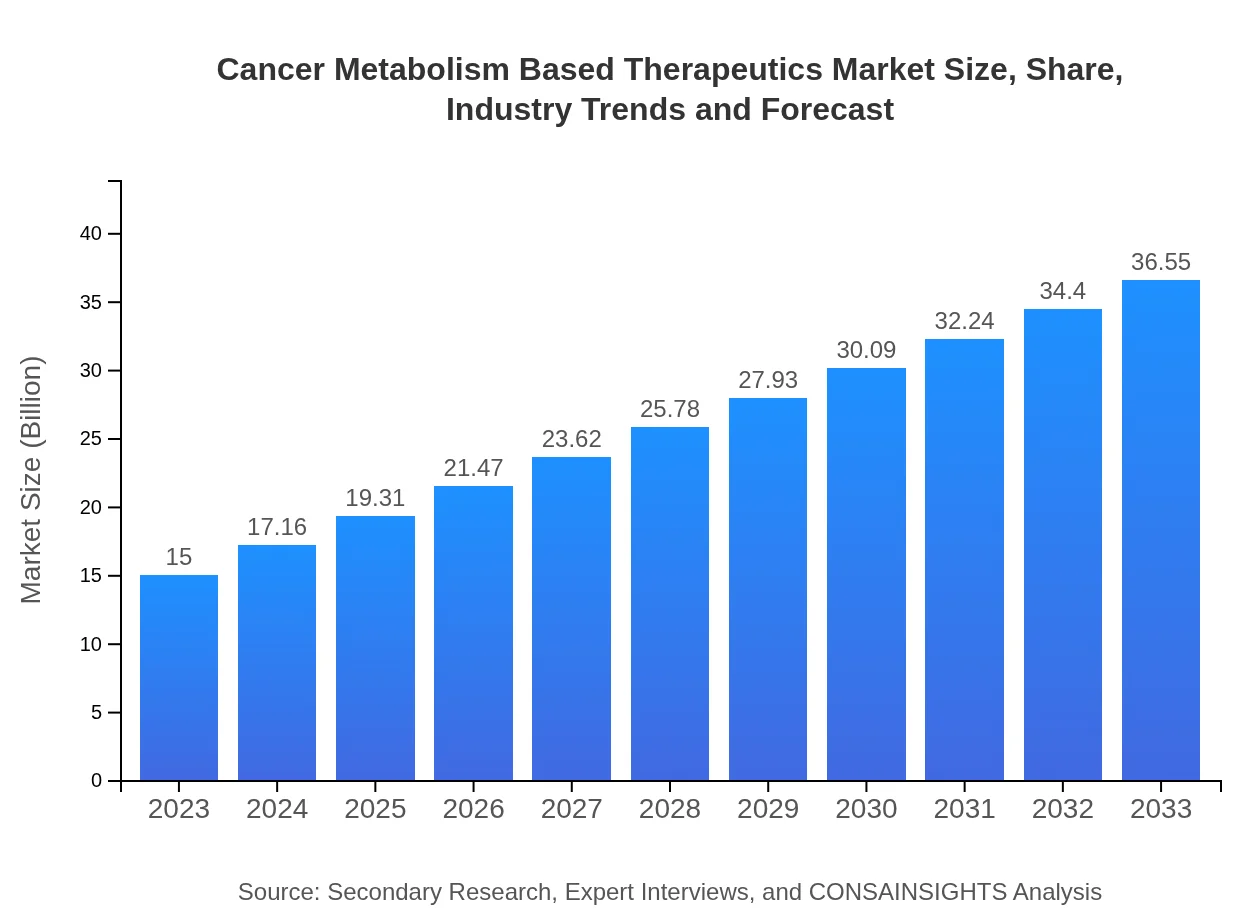
Cancer Metabolism Based Therapeutics Market — USD 15 billion in 2023, Growing to USD 36.55B by 2033 at 9% CAGR
This report provides in-depth insights into the Cancer Metabolism Based Therapeutics market, exploring trends, segmentation, regional dynamics, and forecasts up to 2033. It aims to equip stakeholders with essential data to make informed decisions in this evolving landscape.
Key Takeaways
- Global market expands from $15.00 Billion in 2023 to $36.55 Billion in 2033 at a 9% CAGR.
- North America is largest regional market, while no single fastest-growing region is stated because regional CAGR differences remain within 0.15 percentage points.
- Europe advances from $4.56 Billion in 2023 to $11.12 Billion in 2033, reflecting strong demand across therapeutics.
- Therapies span small molecules, biologics and cell therapy with administration routes including oral and intravenous.
- Top firms active in the space include Amgen Inc., AstraZeneca PLC, Thermo Fisher Scientific, Roche Holding AG and Bristol Myers Squibb.
Cancer Metabolism Based Therapeutics Market Report — Executive Summary
North America remains largest market by forecast-period value, while no single fastest-growing region is stated because top regional growth rates are separated by less than 0.15 percentage points. This report outlines the Cancer Metabolism Based Therapeutics market trajectory from 2023 to 2033, with value expanding from $15.00 Billion to $36.55 Billion at a 9% CAGR. Growth is supported by deeper insights into tumor metabolic pathways, rising investment in targeted drug development, and convergence of biotech and academic research. Product diversity — including small molecule drugs, biologics and cell therapies — and multiple administration routes are shaping therapeutic strategies. Regional demand patterns vary, with North America identified as the largest market. Leading companies such as Amgen Inc., AstraZeneca PLC, Thermo Fisher Scientific, Roche Holding AG and Bristol Myers Squibb are prominent participants. The report synthesizes primary interviews, company disclosures and secondary literature to map trends, pipeline activity and market dynamics relevant to industry stakeholders and investors.
Key Growth Drivers
- Advances in understanding cancer metabolic pathways that open new therapeutic targets and treatment strategies.
- Increased R&D investment by pharmaceutical and biotech firms expanding pipelines across small molecules, biologics and cell therapy.
- Rising global incidence of various cancers driving demand for targeted metabolic interventions and combination regimens.
- Collaboration between academic institutions and industry accelerating translational research and clinical development.
- Evolving regulatory frameworks that facilitate approval pathways for novel metabolic therapies.
| Metric | Value |
|---|---|
| Study Period | 2023 - 2033 |
| 2023 Market Size | $15.00 Billion |
| CAGR (2023-2033) | 9% |
| 2033 Market Size | $36.55 Billion |
| Top Companies | Amgen Inc., AstraZeneca PLC, Thermo Fisher Scientific, Roche Holding AG, Bristol Myers Squibb |
| Published Date | 07 October 2024 |
| Last Modified Date | 25 May 2026 |
Cancer Metabolism Based Therapeutics Market Overview
Customize Cancer Metabolism Based Therapeutics Market Report market research report
- ✔ Get in-depth analysis of Cancer Metabolism Based Therapeutics market size, growth, and forecasts.
- ✔ Understand Cancer Metabolism Based Therapeutics's regional dynamics and industry-specific trends.
- ✔ Identify potential applications, end-user demand, and growth segments in Cancer Metabolism Based Therapeutics
What is the Market Size & CAGR of Cancer Metabolism Based Therapeutics Market Report market in 2023?
Cancer Metabolism Based Therapeutics Industry Analysis
Cancer Metabolism Based Therapeutics Market Segmentation and Scope
Tell us your focus area and get a customized research report.
Cancer Metabolism Based Therapeutics Market Report Market Analysis Report by Region
Europe Cancer Metabolism Based Therapeutics Market Report:
Europe grows from $4.56 Billion in 2023 to $11.12 Billion in 2033. This trajectory is supported by strong clinical research networks, growing pipeline activity in metabolic therapeutics, and collaboration across pharmaceutical and academic institutions.Asia Pacific Cancer Metabolism Based Therapeutics Market Report:
Asia Pacific grows from $2.82 Billion in 2023 to $6.88 Billion in 2033. Growth drivers include increasing research capacity, rising cancer incidence, and expanding investment in localized clinical development and manufacturing.North America Cancer Metabolism Based Therapeutics Market Report:
North America is largest regional market, rising from $5.7 Billion in 2023 to $13.89 Billion in 2033. Regional strength reflects concentrated R&D investment, established biotech ecosystems, and active participation by major firms noted in the report.South America Cancer Metabolism Based Therapeutics Market Report:
Latin America grows from $0.94 Billion in 2023 to $2.28 Billion in 2033. Market progress is tied to improving healthcare infrastructure, growing access to advanced therapies, and heightened interest in targeted cancer treatment approaches.Middle East & Africa Cancer Metabolism Based Therapeutics Market Report:
Middle East and Africa grows from $0.97 Billion in 2023 to $2.37 Billion in 2033. Expansion is connected to strengthening healthcare systems, increased adoption of novel therapeutics, and regional engagement in clinical research collaborations.Tell us your focus area and get a customized research report.
Research Methodology
Cancer Metabolism Based Therapeutics Market Analysis By Therapeutic Target
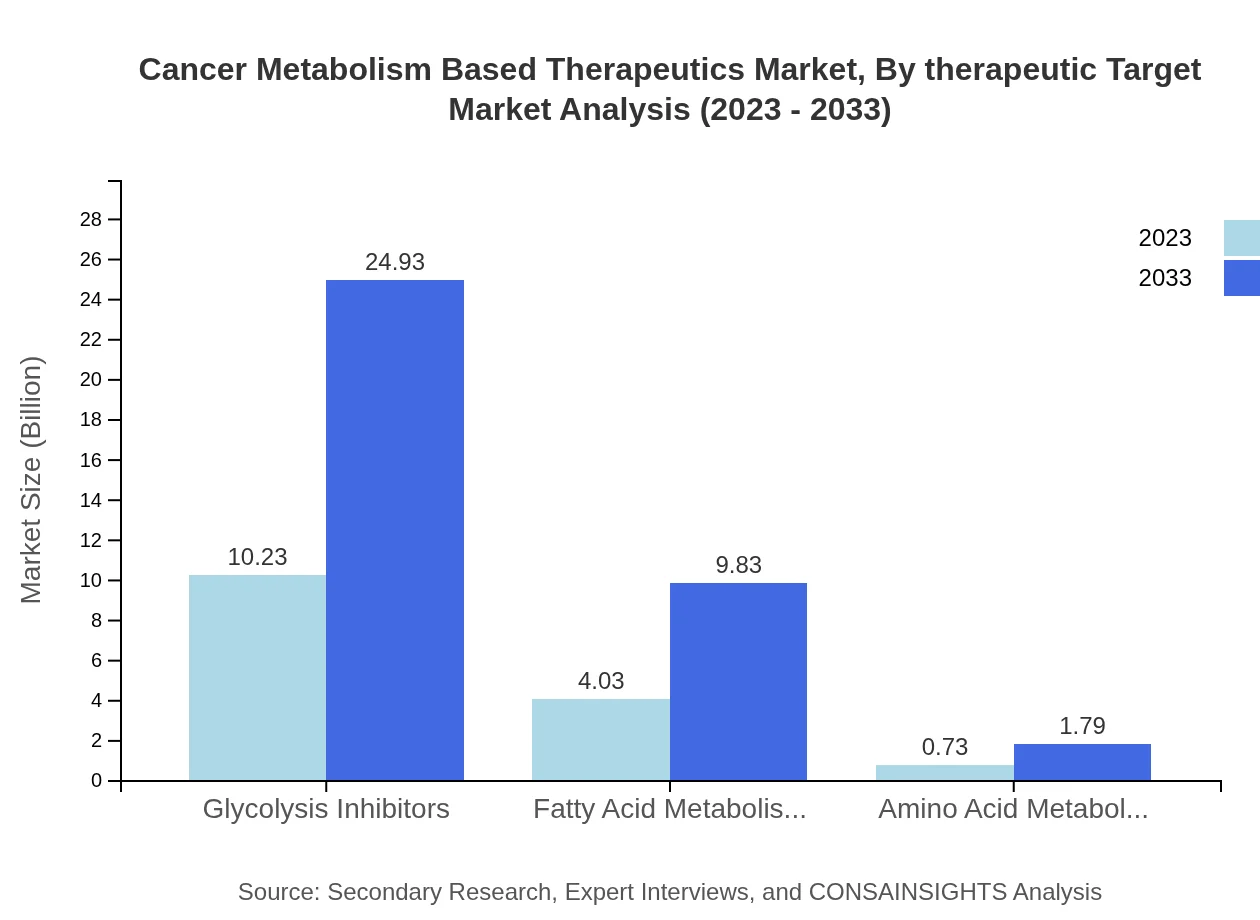
The therapeutic target segmentation reveals a strong inclination towards small molecule drugs, which are projected to dominate the market, accounting for approximately 68.2% of the revenue share in 2023 and expected to maintain the same share by 2033. Biologics are also essential players, capturing 26.9% of the market. The steady growth of these segments can be attributed to the increasing number of clinical trials and rising approvals for new drug entities.
Cancer Metabolism Based Therapeutics Market Analysis By Cancer Type
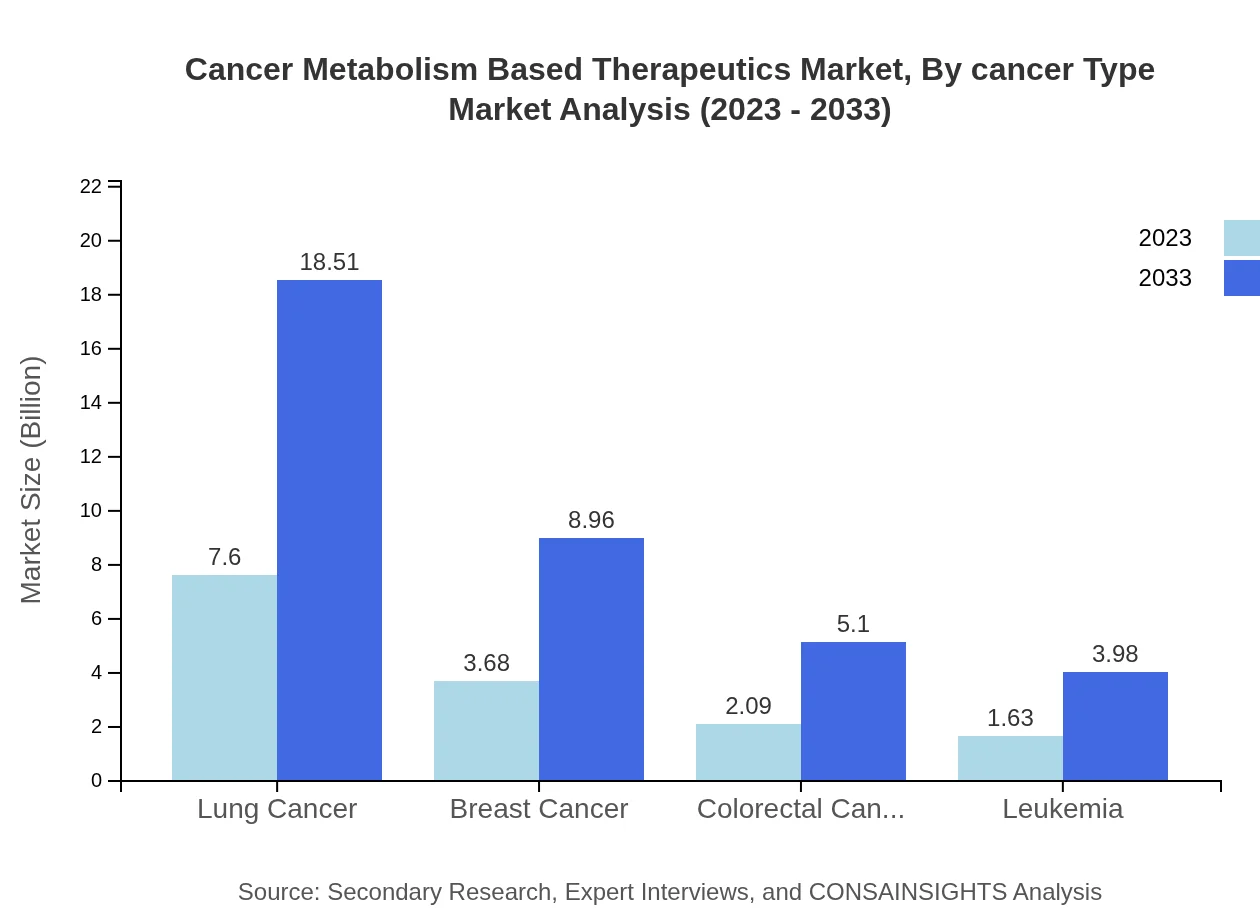
Segmenting by cancer type, lung cancer dominates the Cancer Metabolism Based Therapeutics market with an anticipated revenue share of 50.64% in 2023, projected to grow significantly with the rise in lung cancer cases. Other significant types include breast cancer at 24.52%, followed by colorectal cancer at 13.95%. These figures highlight the urgent need for targeted therapies in these critical areas.
Cancer Metabolism Based Therapeutics Market Analysis By Drug Class
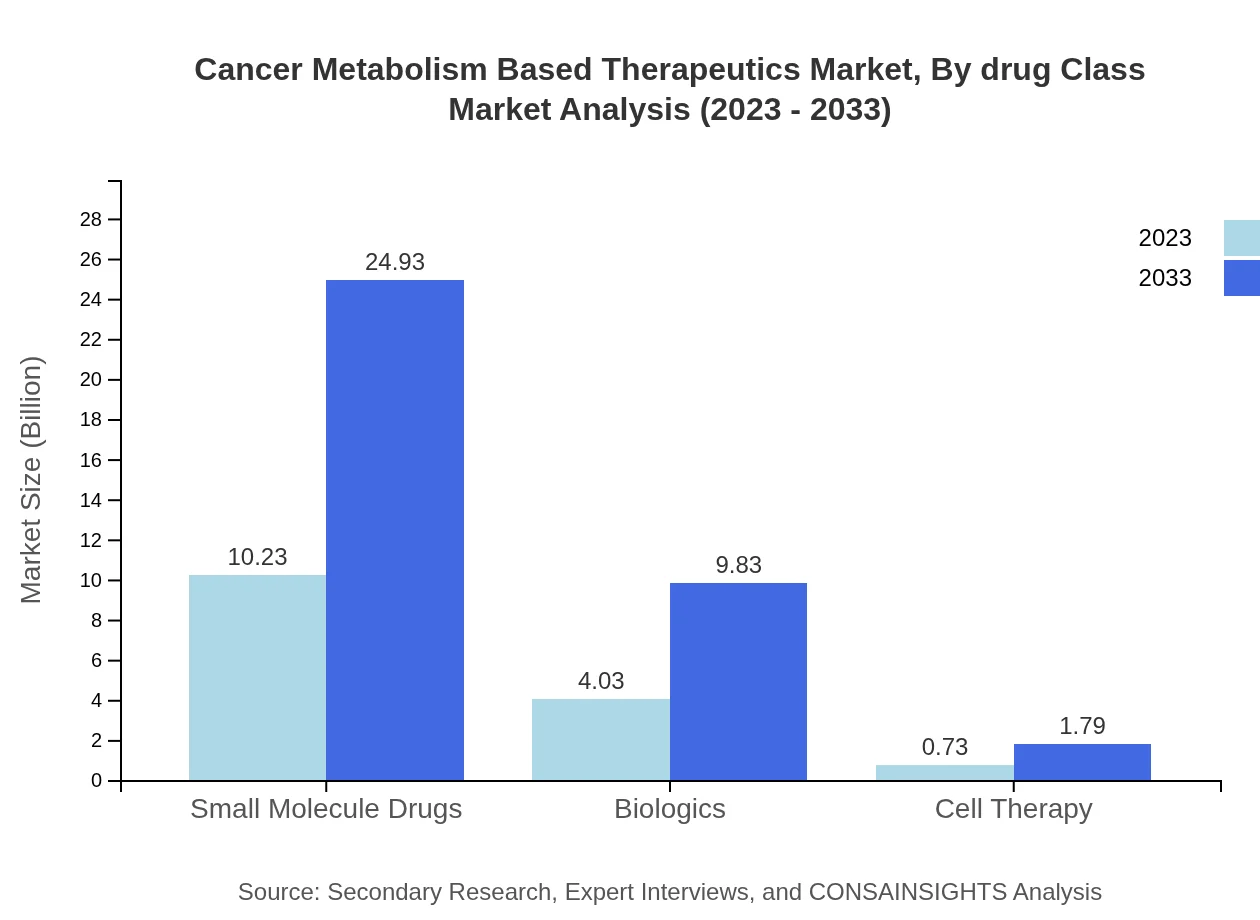
The market is witnessing significant growth in glycolysis inhibitors and fatty acid metabolism modulators, which are expected to account for a combined market share of more than 95% by 2033. The shift towards targeted mechanisms of action is primarily responsible for this trend, as these classes are at the forefront of metabolic therapies being developed.
Cancer Metabolism Based Therapeutics Market Analysis By Route Of Administration
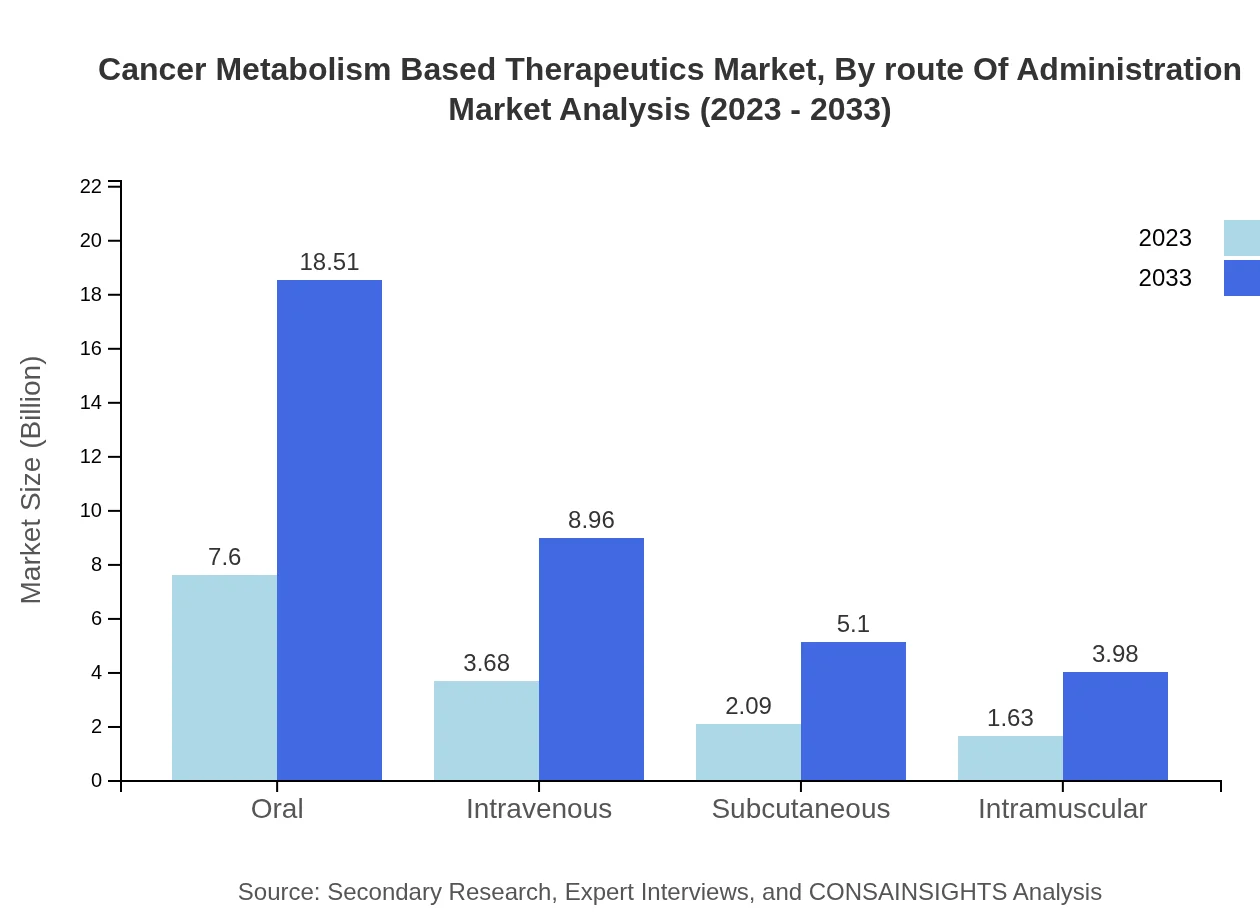
Oral administration will continue to dominate the market, controlling about 50.64% of the share in 2023, with significant growth expected over the decade. Intravenous and subcutaneous routes are also noteworthy, with respective shares of 24.52% and 13.95%.
Cancer Metabolism Based Therapeutics Market Analysis By Indication
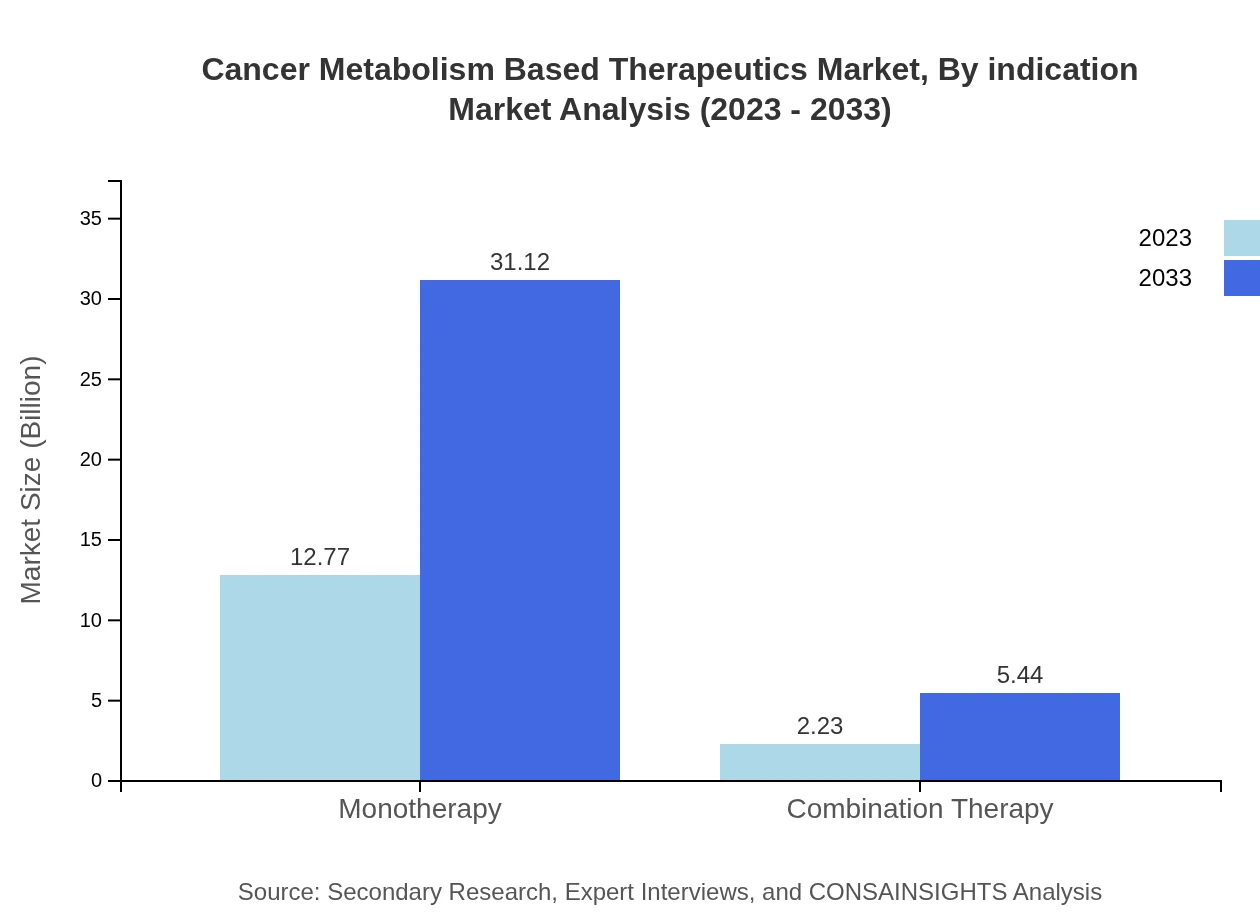
Indications remain a crucial segment, with monotherapy comprising approximately 85.13% of the market in 2023. Combination therapies are gradually gaining traction, but monotherapy continues to lead due to its established efficacy in major cancer types.
Cancer Metabolism Based Therapeutics Market Trends and Future Forecast
Tell us your focus area and get a customized research report.
Global Market Leaders and Top Companies in Cancer Metabolism Based Therapeutics Industry
Amgen Inc.:
Amgen is a leading biotechnology company focused on discovering, developing, and delivering innovative human therapeutics. Its emphasis on metabolic drugs has led to groundbreaking therapies in cancer treatment.AstraZeneca PLC:
AstraZeneca specializes in global medicine and has a robust pipeline of research-targeting metabolic pathways in cancer cells, especially in oncology.Thermo Fisher Scientific:
Leading in diagnostics and biotechnological innovations, Thermo Fisher supports oncology research through advanced tools and platforms.Roche Holding AG:
Roche is a pioneer in the development of targeted cancer therapies and continues to advance metabolic treatment modalities.Bristol Myers Squibb:
BMS focuses on novel immunotherapies and therapies targeting cancer metabolism, significantly impacting treatment paradigms.We're grateful to work with incredible clients.







FAQs
What is the current market size of the Cancer Metabolism Based Therapeutics market?
The market size for Cancer Metabolism Based Therapeutics was $15.00 Billion in 2023 according to the provided data, serving as the baseline for the 2023 to 2033 forecast period.
How big will the Cancer Metabolism Based Therapeutics market be in 2033?
The market is projected to reach $36.55 Billion by 2033, as stated in the input figures for the 2023 to 2033 forecast window.
What is CAGR of the Cancer Metabolism Based Therapeutics market?
The specified compound annual growth rate (CAGR) for the market over 2023 to 2033 is 9%, as provided in the input dataset.
Is there a single fastest Growing region in the Cancer Metabolism Based Therapeutics Market Report market?
No single fastest-growing region is stated for the Cancer Metabolism Based Therapeutics Market Report market because the top regional implied CAGR values are within 0.15 percentage points of each other, making the ranking too close to call reliably.
Why is the Cancer Metabolism Based Therapeutics market growing?
Growth is driven by improved insights into tumor metabolism, expanding R&D across targeted therapies, and collaboration between industry and academic research centers, per the context supplied.
Who are the top companies active in this market?
Top companies listed in the data include Amgen Inc., AstraZeneca PLC, Thermo Fisher Scientific, Roche Holding AG and Bristol Myers Squibb.
What segments are covered in the market data?
Segments include drug class (small molecules, biologics, cell therapy), indications (monotherapy, combination therapy), cancer types and routes such as oral and intravenous.
How was the market research conducted?
Research combined primary interviews with industry experts, secondary sources like company reports and publications, data triangulation and internal validation led by experts.