

Cystic Fibrosis Cf Therapeutics Market Report
First published: 08 October 2024 | Last updated: 25 May 2026 | Report Code: cystic-fibrosis-cf-therapeutics
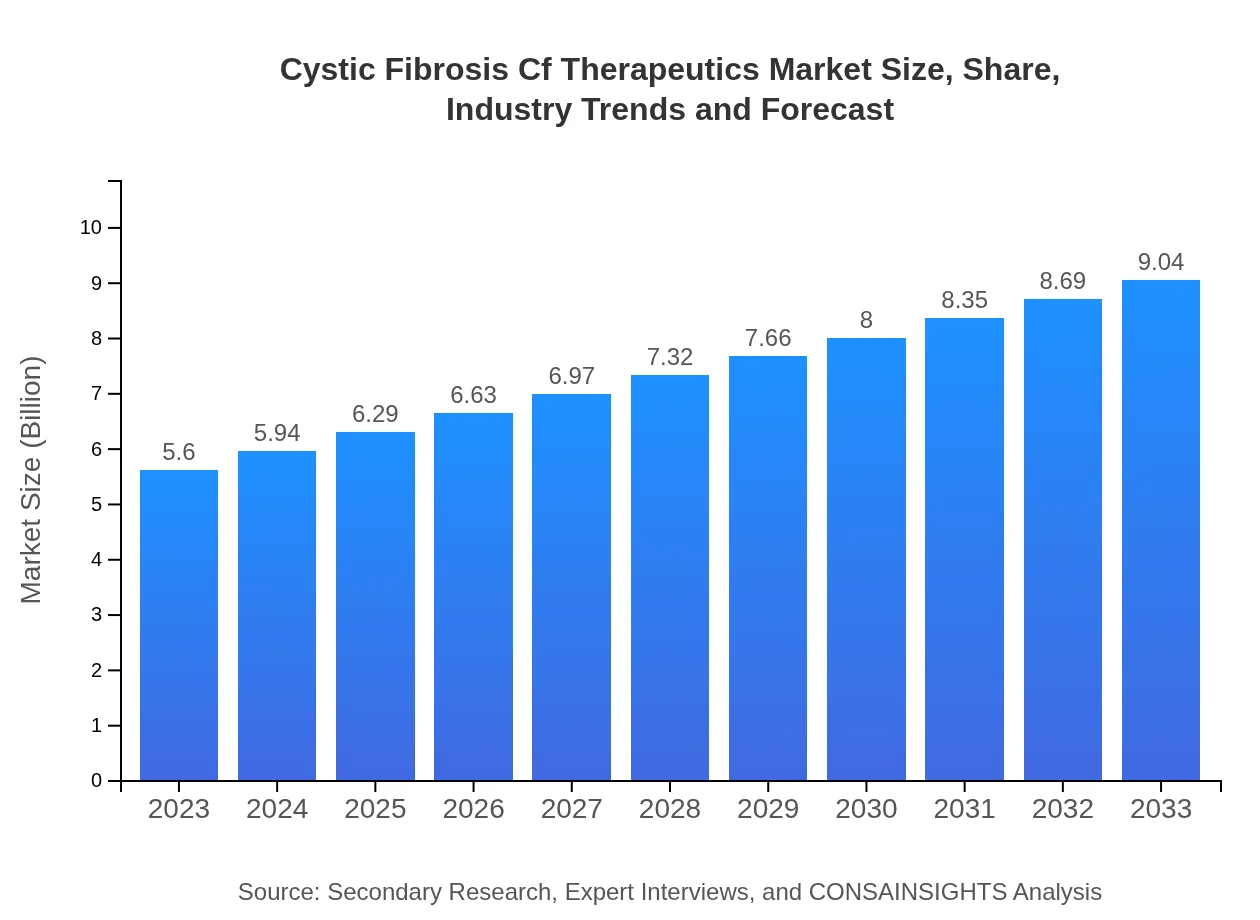
Cystic Fibrosis Cf Therapeutics Market — USD 5.6 billion in 2023, Growing to USD 9.04B by 2033 at 4.8% CAGR
This report provides a comprehensive analysis of the Cystic Fibrosis Cf Therapeutics market, covering trends, segmentation, and regional insights from 2023 to 2033. It aims to deliver valuable data and forecasts to stakeholders in understanding market dynamics and growth prospects.
Key Takeaways
- Global market expands from $5.60 Billion in 2023 to $9.04 Billion by 2033, reflecting a 4.8% CAGR.
- North America is largest regional market, while no single fastest-growing region is stated because regional CAGR differences remain within 0.15 percentage points.
- North America is the largest region, increasing from $1.89 Billion in 2023 to $3.05 Billion in 2033.
- Europe grows from $1.55 Billion in 2023 to $2.50 Billion in 2033, supported by advanced care frameworks.
- Asia Pacific rises from $1.12 Billion in 2023 to $1.81 Billion in 2033 amid improving access to therapies.
- Top industry participants include Vertex Pharmaceuticals, AbbVie, Gilead Sciences, Teva Pharmaceutical Industries and Novartis.
Cystic Fibrosis Cf Therapeutics Market Report — Executive Summary
North America remains largest market by forecast-period value, while no single fastest-growing region is stated because top regional growth rates are separated by less than 0.15 percentage points. The Cystic Fibrosis therapeutics sector is set for steady expansion driven by advances in targeted therapies, growing diagnosis rates, and broader treatment access. Market value increases from $5.60 Billion in 2023 to $9.04 Billion by 2033 at a 4.8% CAGR. Investment in CFTR modulators and disease-modifying approaches, alongside strengthened distribution through hospital and retail pharmacies and online channels, underpins growth. Regional demand varies: North America leads in absolute market size, while Europe and Asia Pacific demonstrate notable gains supported by healthcare infrastructure and policy support. Leading firms such as Vertex Pharmaceuticals, AbbVie, Gilead Sciences, Teva Pharmaceutical Industries and Novartis are central to competitive dynamics, focusing on innovation and partnerships. The report examines segments by patient type, therapeutic class, distribution channel, therapeutic approach, and route of administration to inform strategy and investment decisions.
Key Growth Drivers
- Expansion of CFTR modulator research and approvals increasing treatment options.
- Rising diagnosis and awareness driving demand for long-term disease management.
- Improved access through hospital, retail and online pharmacy distribution networks.
- Supportive healthcare policies and reimbursement frameworks enhancing treatment uptake.
- Ongoing collaborations and investment by major pharmaceutical companies accelerating pipeline progress.
| Metric | Value |
|---|---|
| Study Period | 2023 - 2033 |
| 2023 Market Size | $5.60 Billion |
| CAGR (2023-2033) | 4.8% |
| 2033 Market Size | $9.04 Billion |
| Top Companies | Vertex Pharmaceuticals, AbbVie, Gilead Sciences, Teva Pharmaceutical Industries, Novartis |
| Published Date | 08 October 2024 |
| Last Modified Date | 25 May 2026 |
Cystic Fibrosis Cf Therapeutics Market Overview
Customize Cystic Fibrosis Cf Therapeutics Market Report market research report
- ✔ Get in-depth analysis of Cystic Fibrosis Cf Therapeutics market size, growth, and forecasts.
- ✔ Understand Cystic Fibrosis Cf Therapeutics's regional dynamics and industry-specific trends.
- ✔ Identify potential applications, end-user demand, and growth segments in Cystic Fibrosis Cf Therapeutics
What is the Market Size & CAGR of Cystic Fibrosis Cf Therapeutics Market Report market in 2023?
Cystic Fibrosis Cf Therapeutics Industry Analysis
Cystic Fibrosis Cf Therapeutics Market Segmentation and Scope
Tell us your focus area and get a customized research report.
Cystic Fibrosis Cf Therapeutics Market Report Market Analysis Report by Region
Europe Cystic Fibrosis Cf Therapeutics Market Report:
Europe grows from $1.55 Billion in 2023 to $2.5 Billion in 2033. Regional expansion is driven by strong diagnostic programs, reimbursement frameworks, and ongoing adoption of newer therapeutic classes such as CFTR modulators.Asia Pacific Cystic Fibrosis Cf Therapeutics Market Report:
Asia Pacific grows from $1.12 Billion in 2023 to $1.81 Billion in 2033. Growth reflects improving healthcare access, rising awareness, and widening availability of targeted treatments across key markets.North America Cystic Fibrosis Cf Therapeutics Market Report:
North America is largest regional market, rising from $1.89 Billion in 2023 to $3.05 Billion in 2033. This region is the largest market, supported by advanced clinical research, established healthcare infrastructure, broad access to innovative therapies and significant presence of leading companies.South America Cystic Fibrosis Cf Therapeutics Market Report:
Latin America grows from $0.26 Billion in 2023 to $0.42 Billion in 2033. Market development is influenced by gradual improvements in treatment access, growing diagnosis, and expanding pharmacy distribution channels.Middle East & Africa Cystic Fibrosis Cf Therapeutics Market Report:
Middle East and Africa grows from $0.78 Billion in 2023 to $1.26 Billion in 2033. Progress is supported by policy initiatives to enhance access, increased attention to rare disease care, and adoption of modern therapeutic options.Tell us your focus area and get a customized research report.
Research Methodology
Cystic Fibrosis Cf Therapeutics Market Analysis By Therapeutic Class
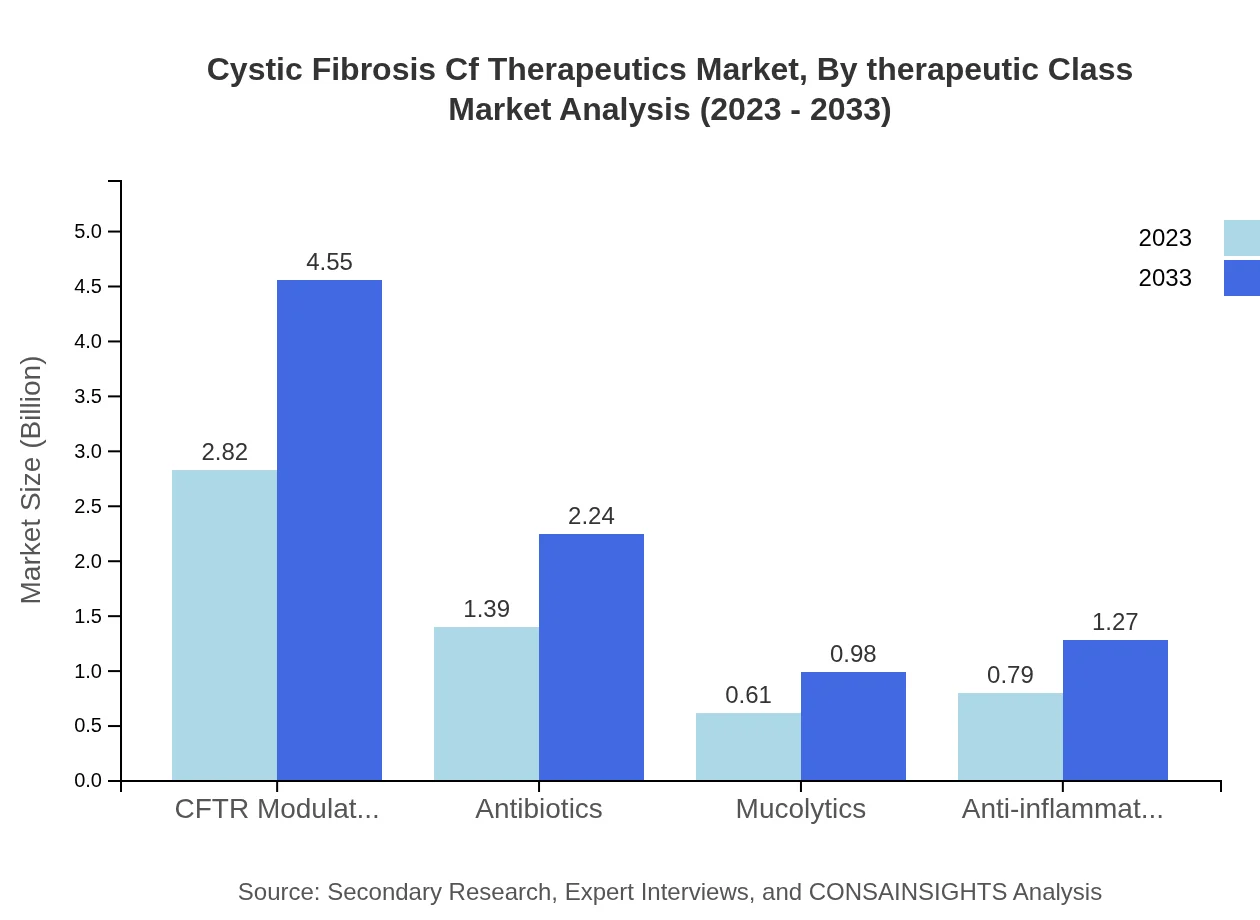
Key therapeutic classes include CFTR modulators, antibiotics, mucolytics, and anti-inflammatory drugs. CFTR modulators represent a significant section of the market, projected to account for more than 50% of the market share by 2033 as they address the root cause of the disease. Antibiotics continue to play a critical role in managing infections, holding around 24.84% market share in 2023.
Cystic Fibrosis Cf Therapeutics Market Analysis By Route Of Administration
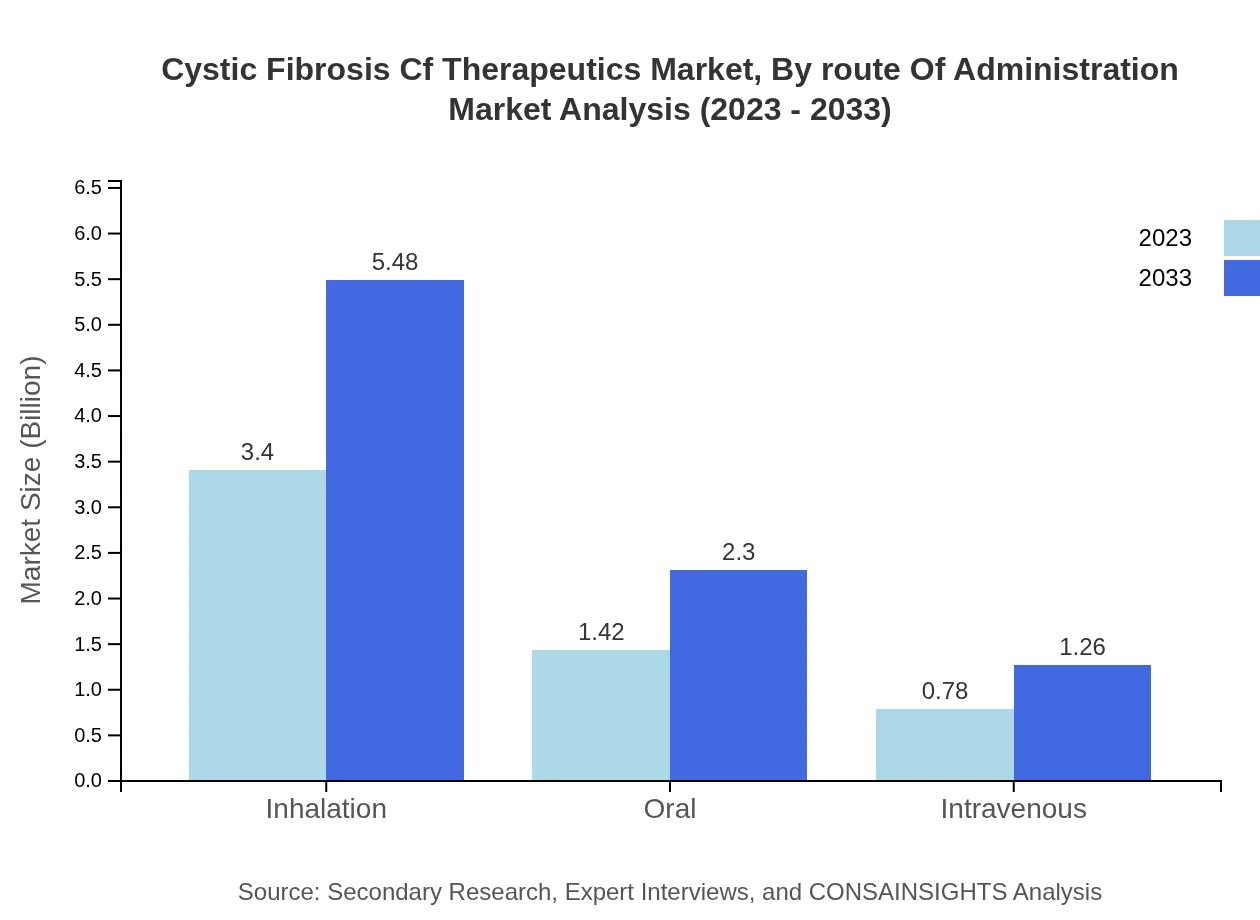
The route of administration segment highlights inhalation therapies as a predominant choice (60.68% share in 2023), reflecting the effectiveness of delivering medications directly to the lungs. Oral and intravenous routes also retain specialized niches, focusing on patient preferences and treatment protocols.
Cystic Fibrosis Cf Therapeutics Market Analysis By Distribution Channel
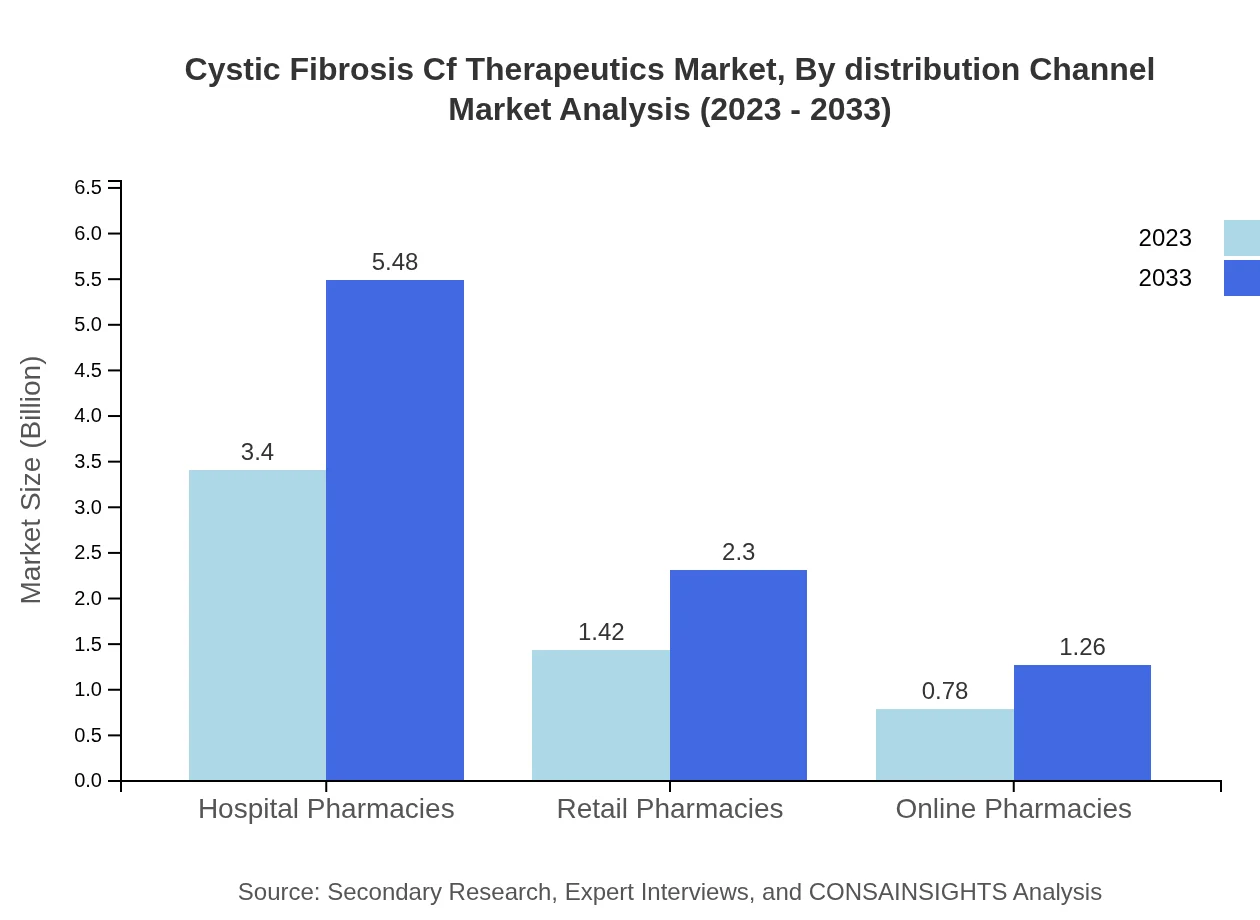
Hospital pharmacies dominate the distribution channel for CF therapeutics, accounting for over 60% market share, reflecting the critical role of healthcare professionals in managing treatment protocols. Retail and online pharmacies are gaining ground due to increasing patient mobility and preferences for accessible medication.
Cystic Fibrosis Cf Therapeutics Market Analysis By Patient Type
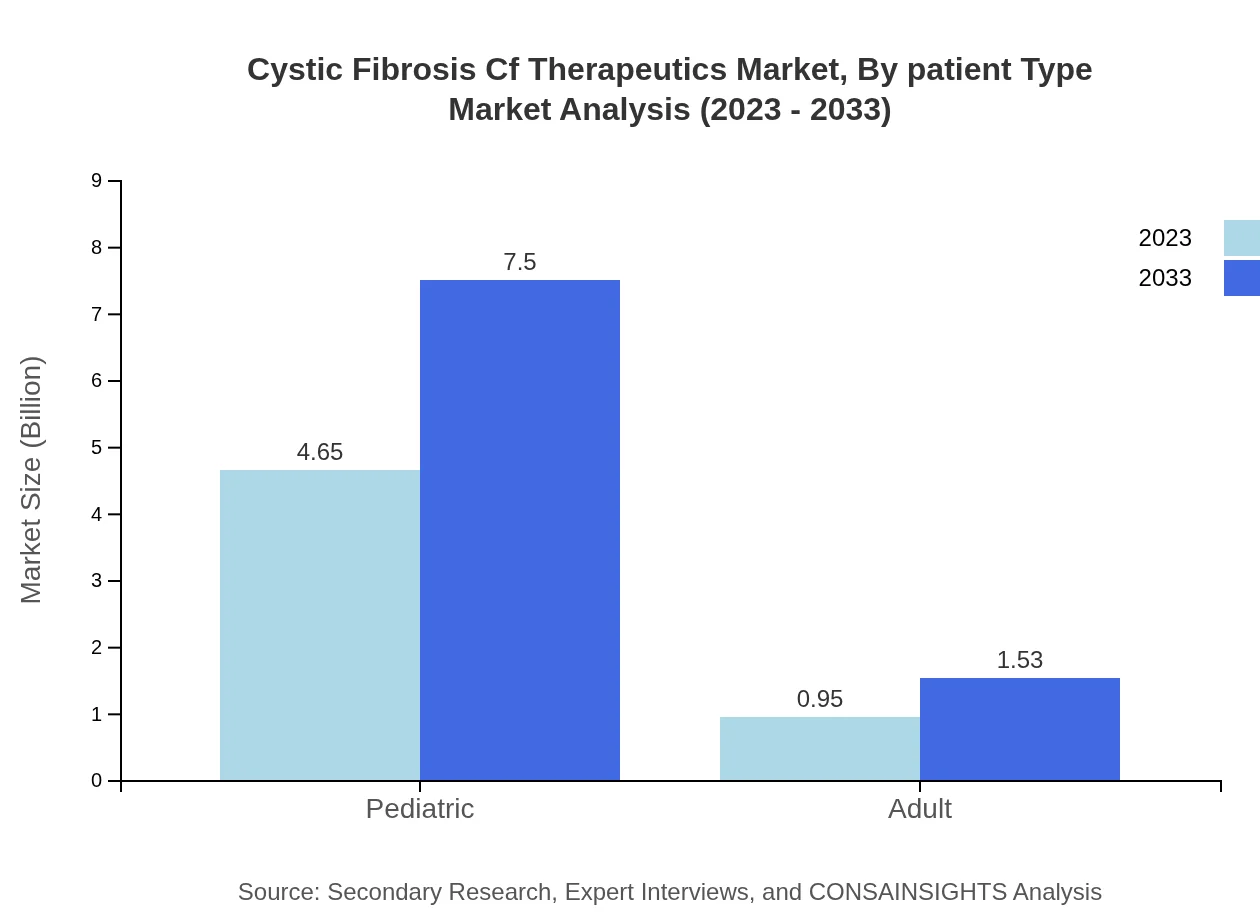
The majority share of the market is attributed to pediatric patients (83.06% share), underlining the importance of early diagnosis and ongoing treatment in managing Cystic Fibrosis effectively. Adult patient needs, while smaller in comparison, are important for designing comprehensive treatment strategies.
Cystic Fibrosis Cf Therapeutics Market Analysis By Therapeutic Approach
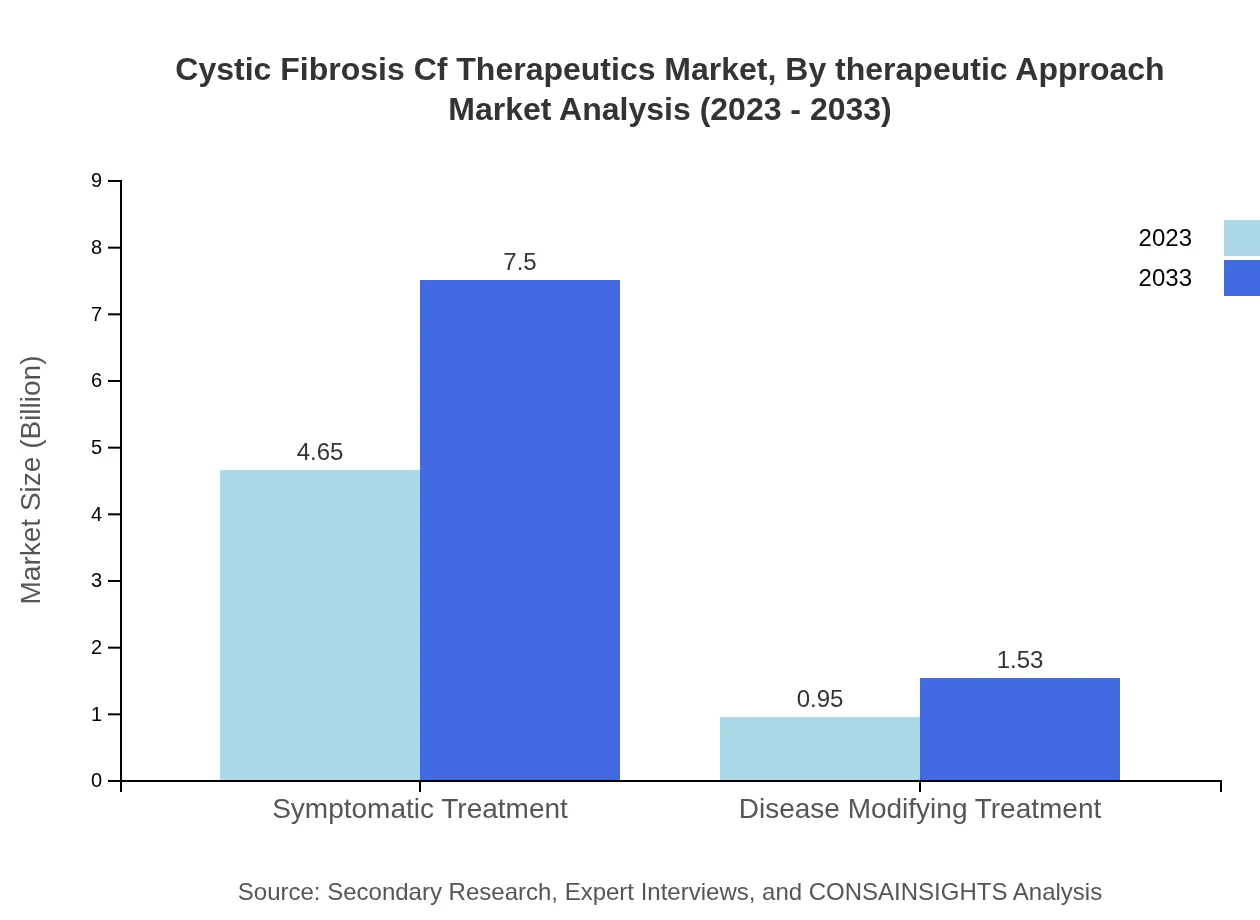
With a focus on symptomatic and disease-modifying treatment approaches, the market reflects a dual strategy toward managing Cystic Fibrosis. Symptomatic treatments currently hold a substantial share due to immediate patient needs, while disease-modifying treatments are gaining traction as research progresses.
Cystic Fibrosis Cf Therapeutics Market Trends and Future Forecast
Tell us your focus area and get a customized research report.
Global Market Leaders and Top Companies in Cystic Fibrosis Cf Therapeutics Industry
Vertex Pharmaceuticals:
A leader in CF therapies, Vertex is known for its breakthrough CFTR modulators, including Kalydeco, Orkambi, and Trikafta, significantly enhancing treatment efficacy.AbbVie:
AbbVie offers a range of therapies for CF and has invested heavily in research and collaborations to develop innovative treatment strategies, enhancing patient care.Gilead Sciences:
Gilead is prominent for its infectious disease therapies, providing antibiotics crucial for CF patients to manage lung infections effectively.Teva Pharmaceutical Industries:
Teva plays a critical role in generics and specialty medications, contributing to expanding treatment accessibility for CF patients across various regions.Novartis:
Novartis focuses on innovative therapeutic solutions for CF, bolstering market presence through strategic partnerships and pipeline development.We're grateful to work with incredible clients.








FAQs
What is the market size of the Cystic Fibrosis therapeutics market in 2023?
The market size for 2023 is $5.60 Billion as reported for the Cystic Fibrosis therapeutics market.
How big is the projected market in 2033?
The market is projected to reach $9.04 Billion by 2033 according to the provided forecast figures.
What is CAGR for the 2023 to 2033 forecast period?
The reported compound annual growth rate (CAGR) for 2023 to 2033 is 4.8%.
Is there a single fastest Growing region in the Cystic Fibrosis Cf Therapeutics Market Report market?
No single fastest-growing region is stated for the Cystic Fibrosis Cf Therapeutics Market Report market because the top regional implied CAGR values are within 0.15 percentage points of each other, making the ranking too close to call reliably.
Which companies are listed as top participants?
Top companies identified include Vertex Pharmaceuticals, AbbVie, Gilead Sciences, Teva Pharmaceutical Industries and Novartis.
What are the primary therapeutic classes covered?
Therapeutic classes highlighted include CFTR modulators, antibiotics, mucolytics and anti-inflammatory drugs.
How are distribution channels represented in the market?
Distribution channels include hospital pharmacies, retail pharmacies and online pharmacies as key pathways for therapy delivery.
What therapeutic approaches are included in the segmentation?
The segmentation covers symptomatic treatment and disease modifying treatment as distinct therapeutic approaches.
What routes of administration are reported?
Reported routes of administration include inhalation, oral and intravenous delivery methods.
Who contributed to the research methodology?
Research incorporated primary interviews with industry experts and secondary sources such as company reports and publications.