

Spinal Muscular Atrophy Treatment Market Report
First published: 21 October 2024 | Last updated: 28 May 2026 | Report Code: spinal-muscular-atrophy-treatment
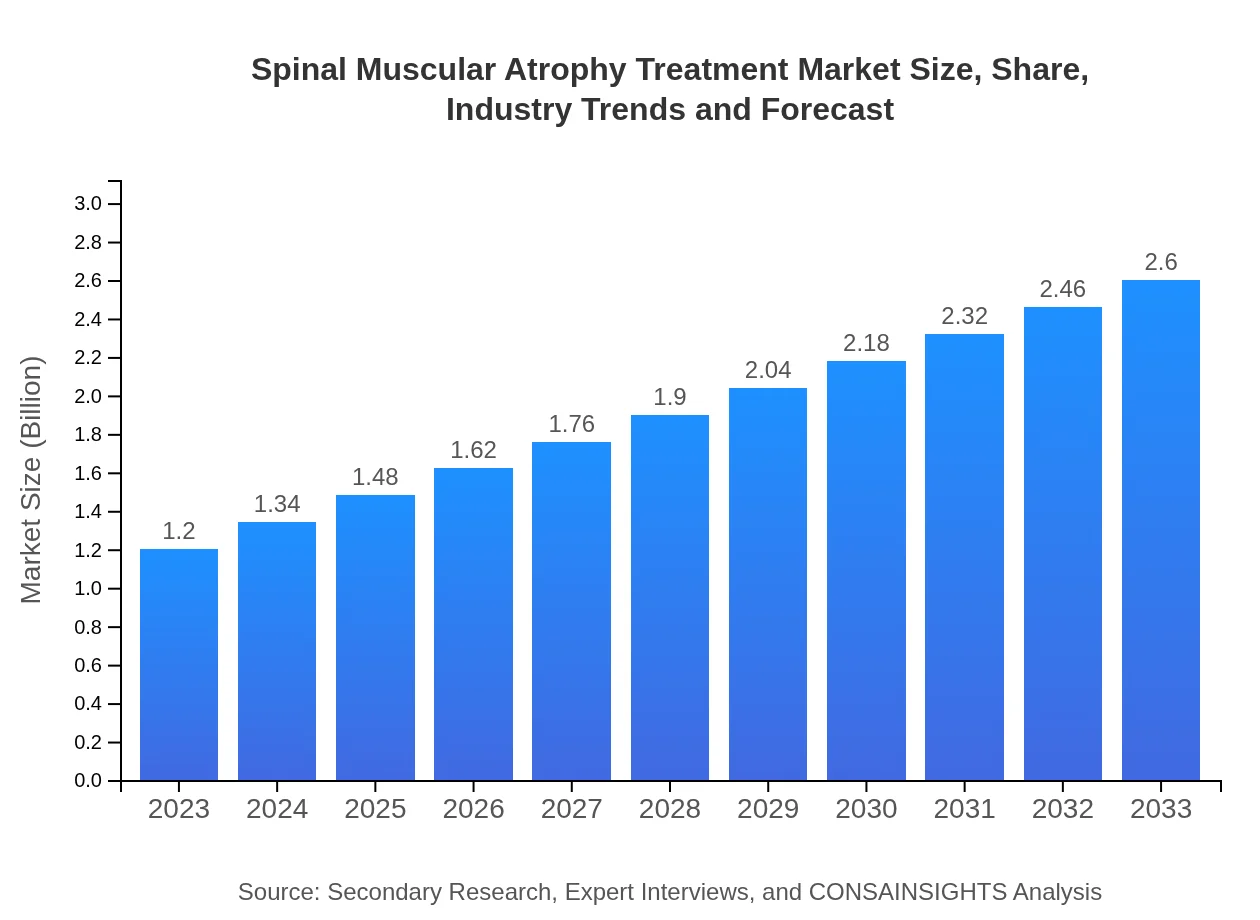
Spinal Muscular Atrophy Treatment Market — USD 1.2 billion in 2023, Growing to USD 2.60B by 2033 at 7.8% CAGR
This report provides comprehensive insights into the Spinal Muscular Atrophy Treatment market, focusing on market trends, growth forecasts, and segmentation strategies from 2023 to 2033.
Key Takeaways
- Global market value rises from $1.20 Billion in 2023 to $2.60 Billion in 2033 at a 7.8% CAGR.
- North America is largest regional market, while no single fastest-growing region is stated because regional CAGR differences remain within 0.15 percentage points.
- Regional expansion is evident in Europe ($0.32B to $0.70B) and Asia Pacific ($0.26B to $0.57B) between 2023 and 2033.
- Leading firms include Novartis, Biogen, Roche, and Bayer, shaping therapeutic innovation and access.
- Market growth is supported by gene therapies, antisense oligonucleotides, and rising investments in personalized approaches.
Spinal Muscular Atrophy Treatment Market Report — Executive Summary
North America remains largest market by forecast-period value, while no single fastest-growing region is stated because top regional growth rates are separated by less than 0.15 percentage points. The Spinal Muscular Atrophy Treatment Market Report examines a market valued at $1.20 Billion in 2023, projected to reach $2.60 Billion by 2033 at a 7.8% CAGR. Expansion is driven by advances in gene therapy, development of antisense oligonucleotides, increasing clinical research, and strategic collaborations among pharmaceutical players such as Novartis, Biogen, Roche, and Bayer. The report analyzes treatment types, routes of administration, end-user settings, and age groups, and assesses regional dynamics across North America, Europe, Asia Pacific, Latin America, and Middle East & Africa. Key trends include a shift toward personalized treatment regimens, adoption of novel administration methods, and growing emphasis on improving long-term patient outcomes. The study combines expert interviews and secondary sources to offer actionable insights for stakeholders evaluating investment, R&D, and access strategies in the SMA therapeutics space.
Key Growth Drivers
- Advances in gene therapy platforms enabling potentially transformative single-dose treatments.
- Increased research funding and strategic collaborations accelerating clinical development and approvals.
- Broader adoption of antisense oligonucleotides and supportive therapies expanding treatment options.
- Growing awareness and diagnosis of SMA improving patient identification and therapy uptake.
- Investment in personalized medicine approaches tailoring regimens to patient-specific needs.
| Metric | Value |
|---|---|
| Study Period | 2023 - 2033 |
| 2023 Market Size | $1.20 Billion |
| CAGR (2023-2033) | 7.8% |
| 2033 Market Size | $2.60 Billion |
| Top Companies | Novartis, Biogen, Roche, Bayer |
| Published Date | 21 October 2024 |
| Last Modified Date | 28 May 2026 |
Spinal Muscular Atrophy Treatment Market Overview
Customize Spinal Muscular Atrophy Treatment Market Report market research report
- ✔ Get in-depth analysis of Spinal Muscular Atrophy Treatment market size, growth, and forecasts.
- ✔ Understand Spinal Muscular Atrophy Treatment's regional dynamics and industry-specific trends.
- ✔ Identify potential applications, end-user demand, and growth segments in Spinal Muscular Atrophy Treatment
What is the Market Size & CAGR of Spinal Muscular Atrophy Treatment Market Report market in 2023?
Spinal Muscular Atrophy Treatment Industry Analysis
Spinal Muscular Atrophy Treatment Market Segmentation and Scope
Tell us your focus area and get a customized research report.
Spinal Muscular Atrophy Treatment Market Report Market Analysis Report by Region
Europe Spinal Muscular Atrophy Treatment Market Report:
Europe grows from $0.32 Billion in 2023 to $0.7 Billion in 2033. The region's progress reflects expanding clinical trials, regulatory adaptations for novel therapies, and collaborations between biotech firms and healthcare providers that enhance access.Asia Pacific Spinal Muscular Atrophy Treatment Market Report:
Asia Pacific grows from $0.26 Billion in 2023 to $0.57 Billion in 2033. Growth drivers include rising research activity, improving diagnostic capabilities, and greater investment in novel SMA treatments and infrastructure to support specialized care.North America Spinal Muscular Atrophy Treatment Market Report:
North America is largest regional market, rising from $0.39 Billion in 2023 to $0.84 Billion in 2033. Regional expansion is influenced by concentrated clinical research, early adoption of innovative therapies, established reimbursement pathways, and active participation by leading companies.South America Spinal Muscular Atrophy Treatment Market Report:
Latin America grows from $0.11 Billion in 2023 to $0.23 Billion in 2033. Market development is supported by expanding awareness, incremental access to advanced therapies, and regional initiatives to improve diagnosis and treatment availability.Middle East & Africa Spinal Muscular Atrophy Treatment Market Report:
Middle East and Africa grows from $0.12 Billion in 2023 to $0.26 Billion in 2033. Expansion is tied to improving healthcare investment, increased diagnostic efforts, and gradual uptake of newer therapeutic approaches in specialized centers.Tell us your focus area and get a customized research report.
Research Methodology
Spinal Muscular Atrophy Treatment Market Analysis By Treatment Type
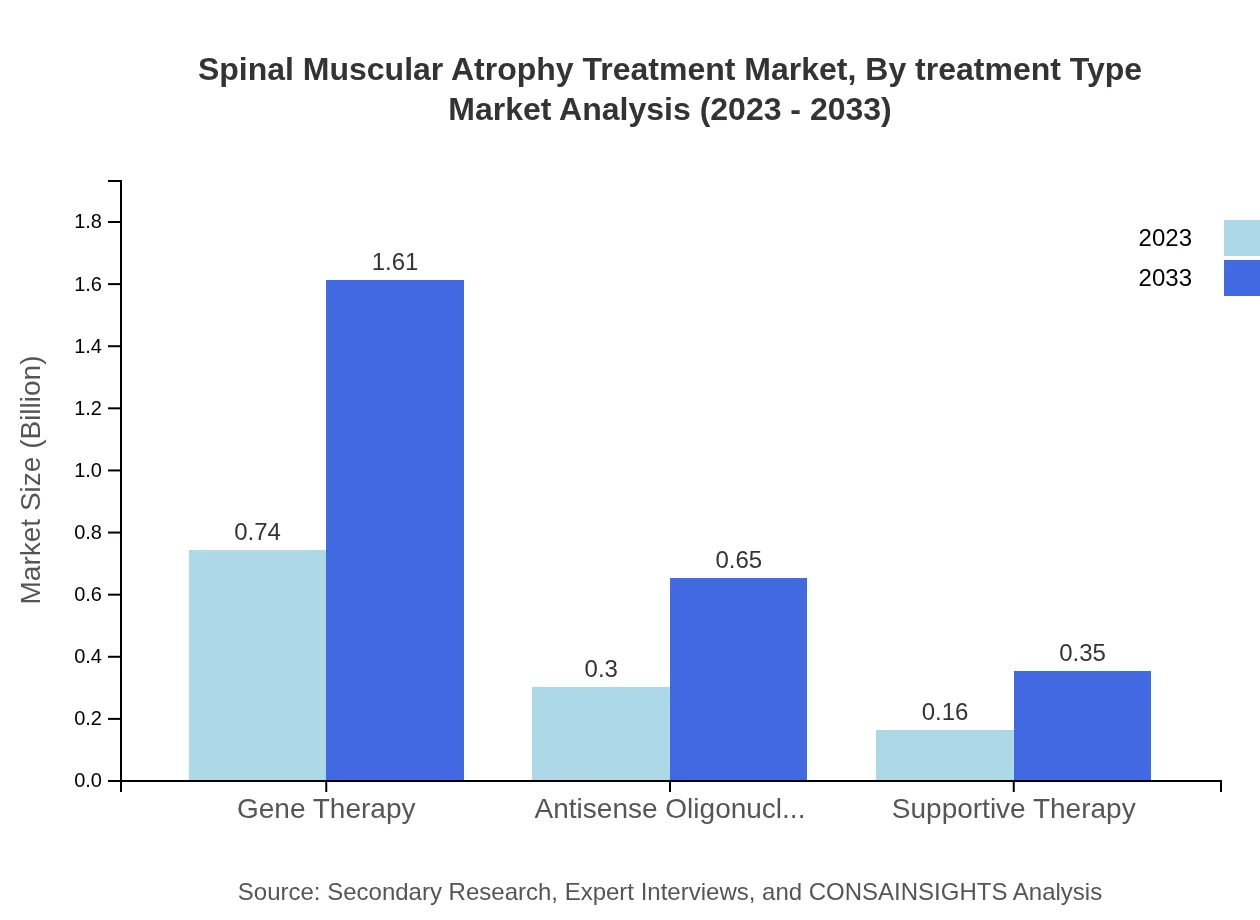
The Spinal Muscular Atrophy Treatment market is significantly dominated by gene therapy, projected to grow from $0.74 billion in 2023 to $1.61 billion by 2033. Antisense oligonucleotides also exhibit substantial growth, moving from $0.30 billion to $0.65 billion in the same timeframe. Supportive therapies remain relevant, contributing from $0.16 billion to $0.35 billion in market size. Monotherapy and combination therapy strategies are essential components of treatment regimens, catering to patient-specific needs.
Spinal Muscular Atrophy Treatment Market Analysis By Route Of Administration
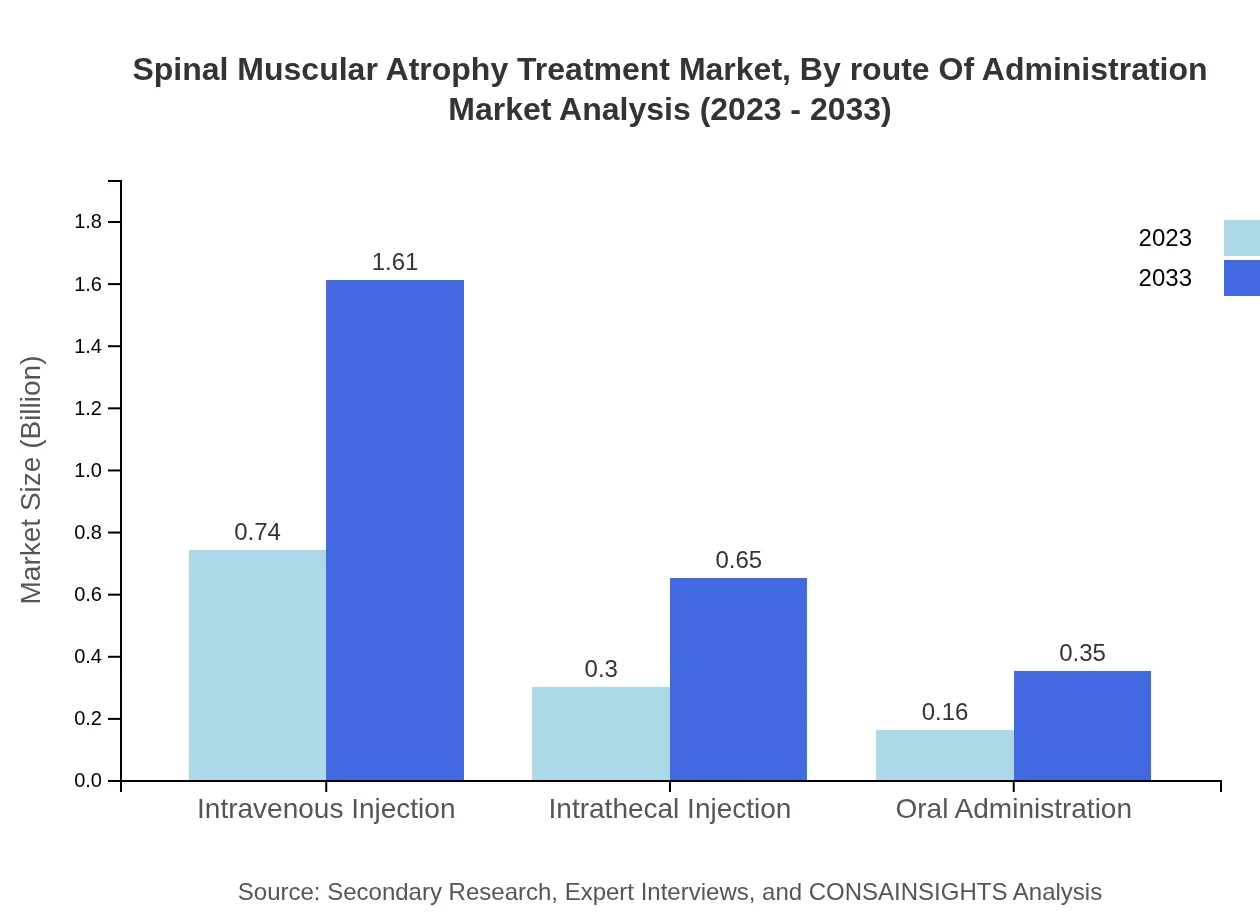
Administration routes for SMA treatments include intravenous injections, intrathecal injections, and oral administration. Intravenous injections dominate the market, projected to rise from $0.74 billion in 2023 to $1.61 billion by 2033, maintaining a strong share in effective delivery methods. Intrathecal injections follow, expected to grow from $0.30 billion to $0.65 billion, whereas oral administration will expand from $0.16 billion to $0.35 billion, providing options for patient convenience.
Spinal Muscular Atrophy Treatment Market Analysis By End User
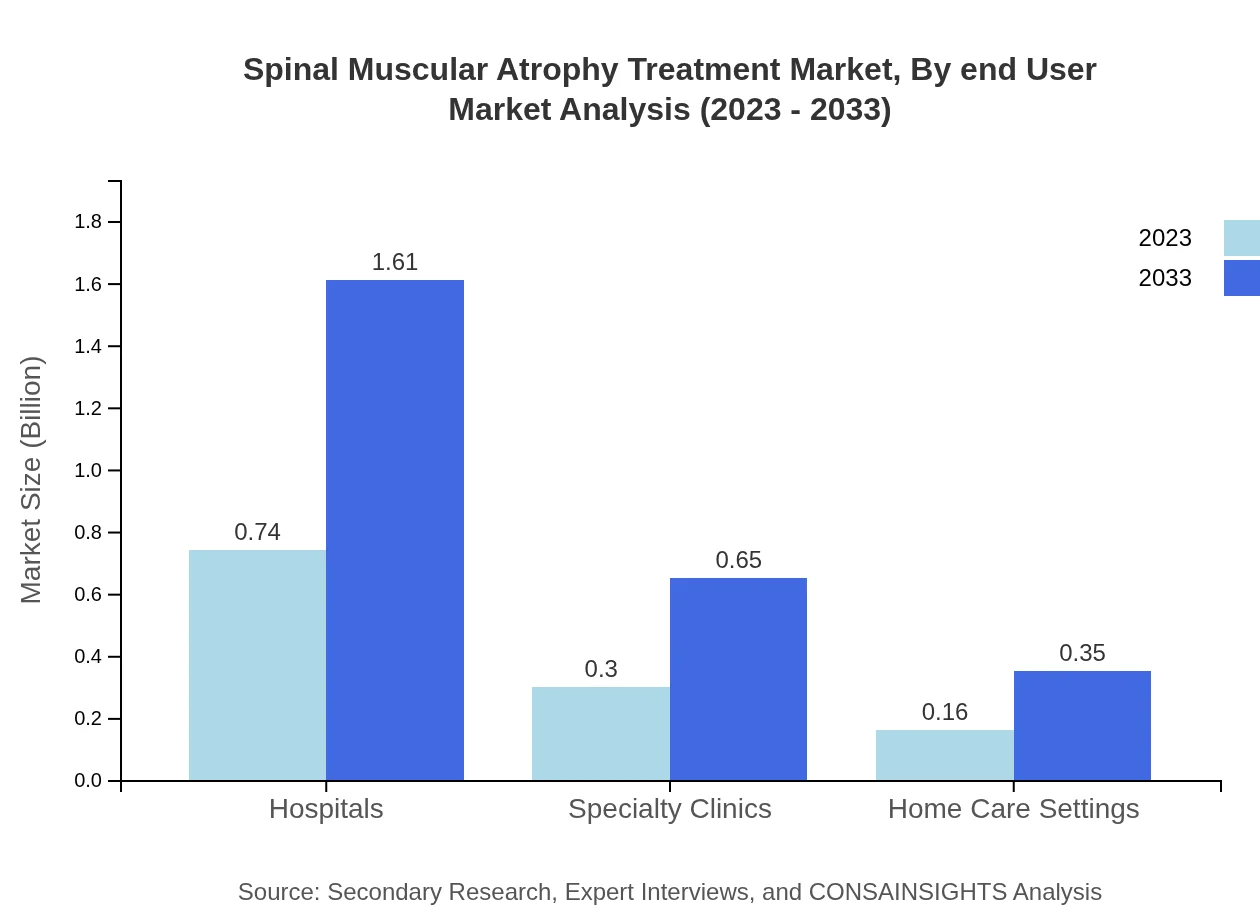
Hospitals are the leading end-user segment in the SMA treatment market, accounting for a significant portion with a market size estimated at $0.74 billion in 2023, expected to reach $1.61 billion by 2033. Specialty clinics are important with an upward trend from $0.30 billion to $0.65 billion. Home care settings provide an equally important role, increasing from $0.16 billion to $0.35 billion, indicating a shift towards more personalized care.
Spinal Muscular Atrophy Treatment Market Analysis By Age Group
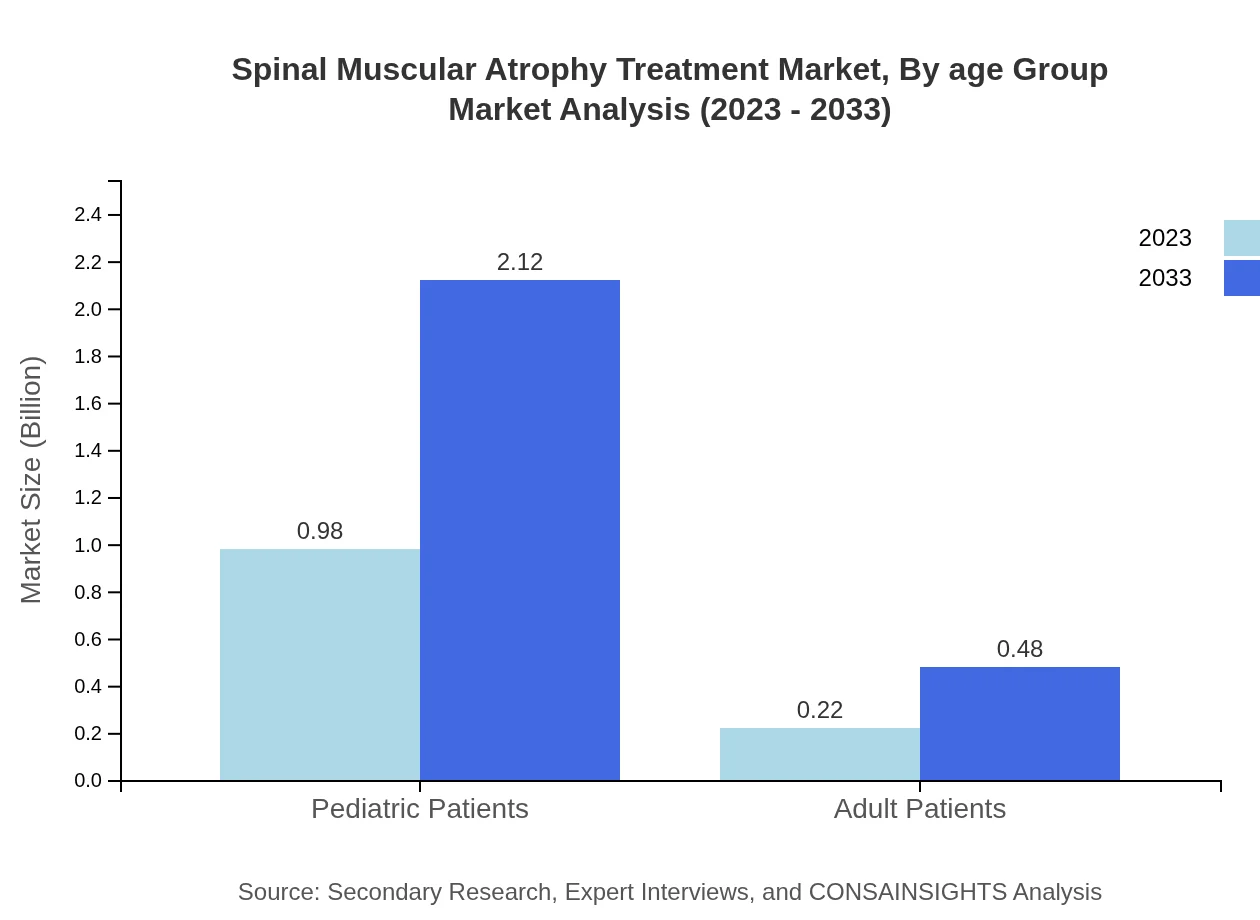
The pediatric population dominates the SMA treatment market, forecasted to grow from $0.98 billion in 2023 to $2.12 billion by 2033. In contrast, adults represent a smaller segment, projected to increase from $0.22 billion to $0.48 billion. Tailored treatment strategies and continuity of care are crucial for both demographics.
Spinal Muscular Atrophy Treatment Market Analysis By Therapy Regimen
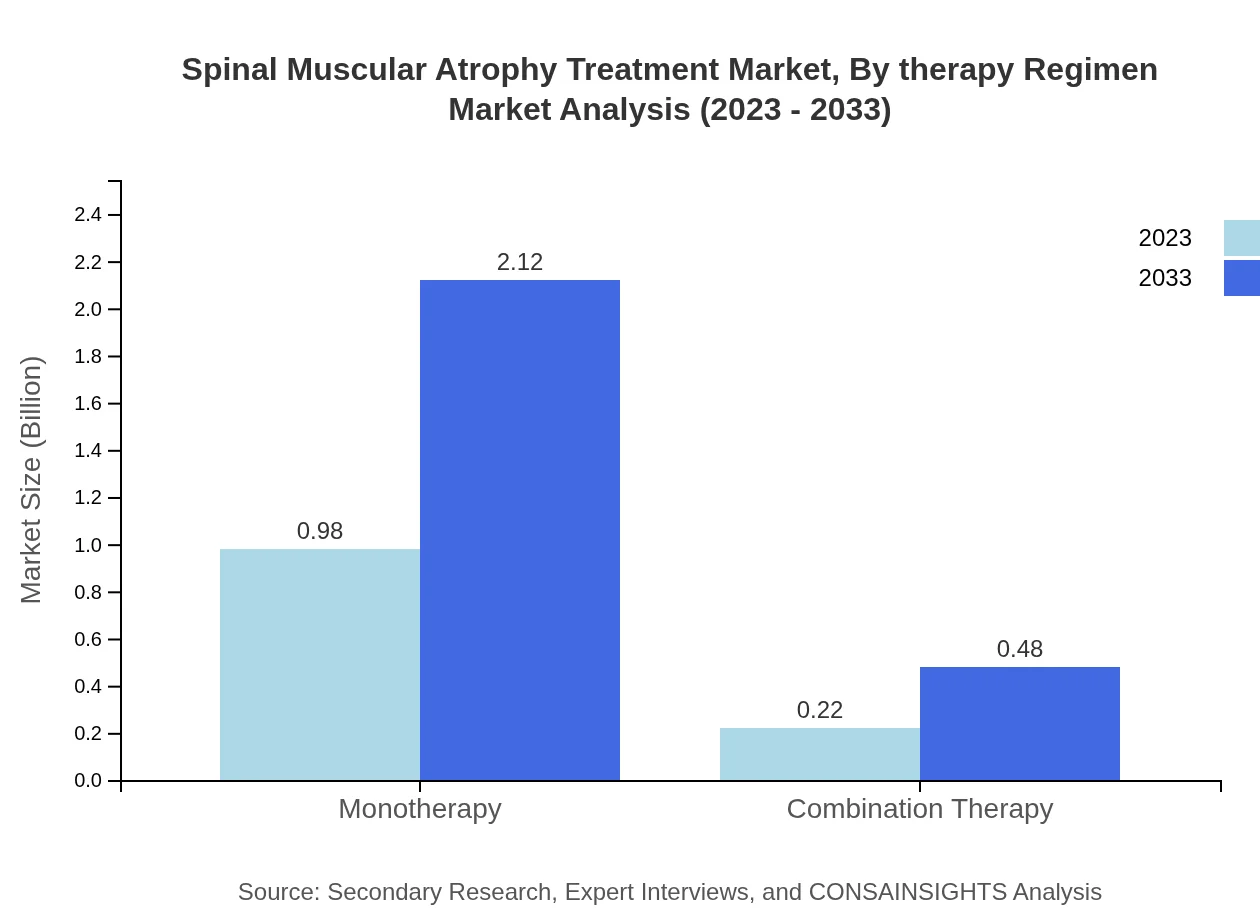
Monotherapy remains the preferred treatment regimen, holding significant market share and expected growth from $0.98 billion to $2.12 billion. Combination therapies cater to specific patient needs, poised to grow from $0.22 billion to $0.48 billion. The focus on personalized therapies enhances the patient outcome prospects.
Spinal Muscular Atrophy Treatment Market Trends and Future Forecast
Tell us your focus area and get a customized research report.
Global Market Leaders and Top Companies in Spinal Muscular Atrophy Treatment Industry
Novartis:
A leading player in the SMA treatment market known for its innovative gene therapy product, Zolgensma, which is a revolutionary treatment for children with SMA.Biogen:
Recognized for its treatment Spinraza, Biogen plays a pivotal role in addressing SMA, focusing on therapies that improve the quality of life of patients.Roche:
Roche is committed to rare disease treatments, investing in research for SMA solutions and developing novel drugs to further aid patients' health.Bayer:
Bayer is involved in innovative approaches for SMA treatment focusing on providing supportive therapies and improving methodologies for patient care.We're grateful to work with incredible clients.







FAQs
What is the market size of the Spinal Muscular Atrophy Treatment Market Report in 2023?
The market size in 2023 is $1.20 Billion as reported, reflecting current commercial activity and available therapies at that point in time.
How big will the market be in 2033?
The market is projected to reach $2.60 Billion by 2033 according to the forecast, driven by therapeutic innovation and broader treatment adoption.
What is CAGR for the forecast period 2023 to 2033?
The compound annual growth rate (CAGR) for 2023 to 2033 is 7.8%, representing the expected average annual expansion over that period.
Is there a single fastest Growing region in the Spinal Muscular Atrophy Treatment Market Report market?
No single fastest-growing region is stated for the Spinal Muscular Atrophy Treatment Market Report market because the top regional implied CAGR values are within 0.15 percentage points of each other, making the ranking too close to call reliably.
Who are the top companies in this market?
Top companies listed in the report include Novartis, Biogen, Roche, and Bayer, which are active in SMA therapeutic development and commercialization.
Why are gene therapies important for market growth?
Gene therapies represent potentially transformative options with single-dose approaches, influencing investment, regulatory focus, and long-term treatment strategies.
How do treatment types influence market structure?
Treatment categories such as gene therapy, antisense oligonucleotides, and supportive therapy define R&D priorities, reimbursement discussions, and route-of-administration choices.
What drives regional market variations?
Regional differences reflect clinical trial activity, regulatory environments, access to advanced therapies, and investment levels in healthcare infrastructure.
Which end users are covered in the segmentation?
End-user segments include Hospitals, Specialty Clinics, and Home Care Settings, covering primary delivery points for SMA therapies.
What age groups are analyzed in the report?
The report covers Pediatric Patients and Adult Patients, addressing distinct clinical needs and treatment pathways across age cohorts.